Work made with AI tools.
Node-based and text-based AI platforms, used to prototype faster and keep a brand consistent at scale.
Outlaw Cap
- RaceArt
- 2026
- Weavy AI
- Flux
- Product photography
- Prompt direction
Why AITest the look before the shoot
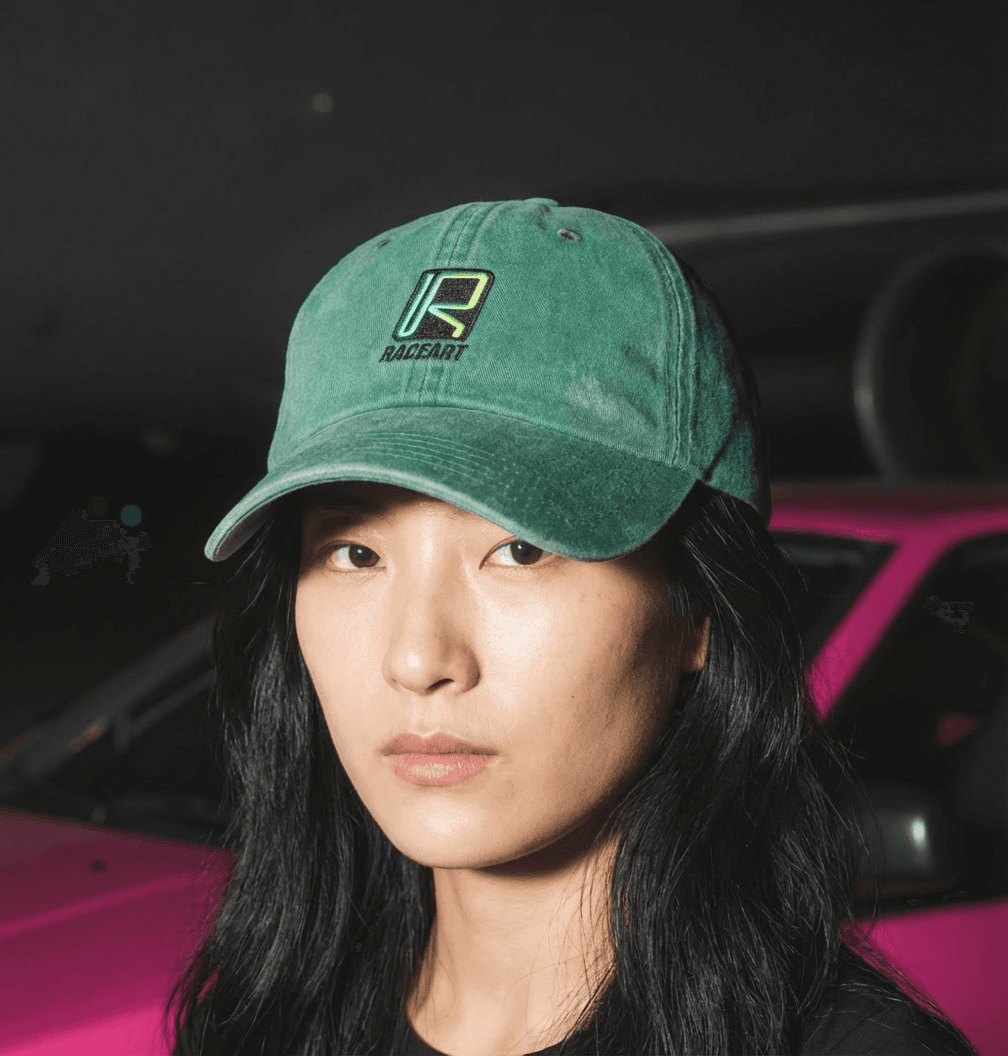
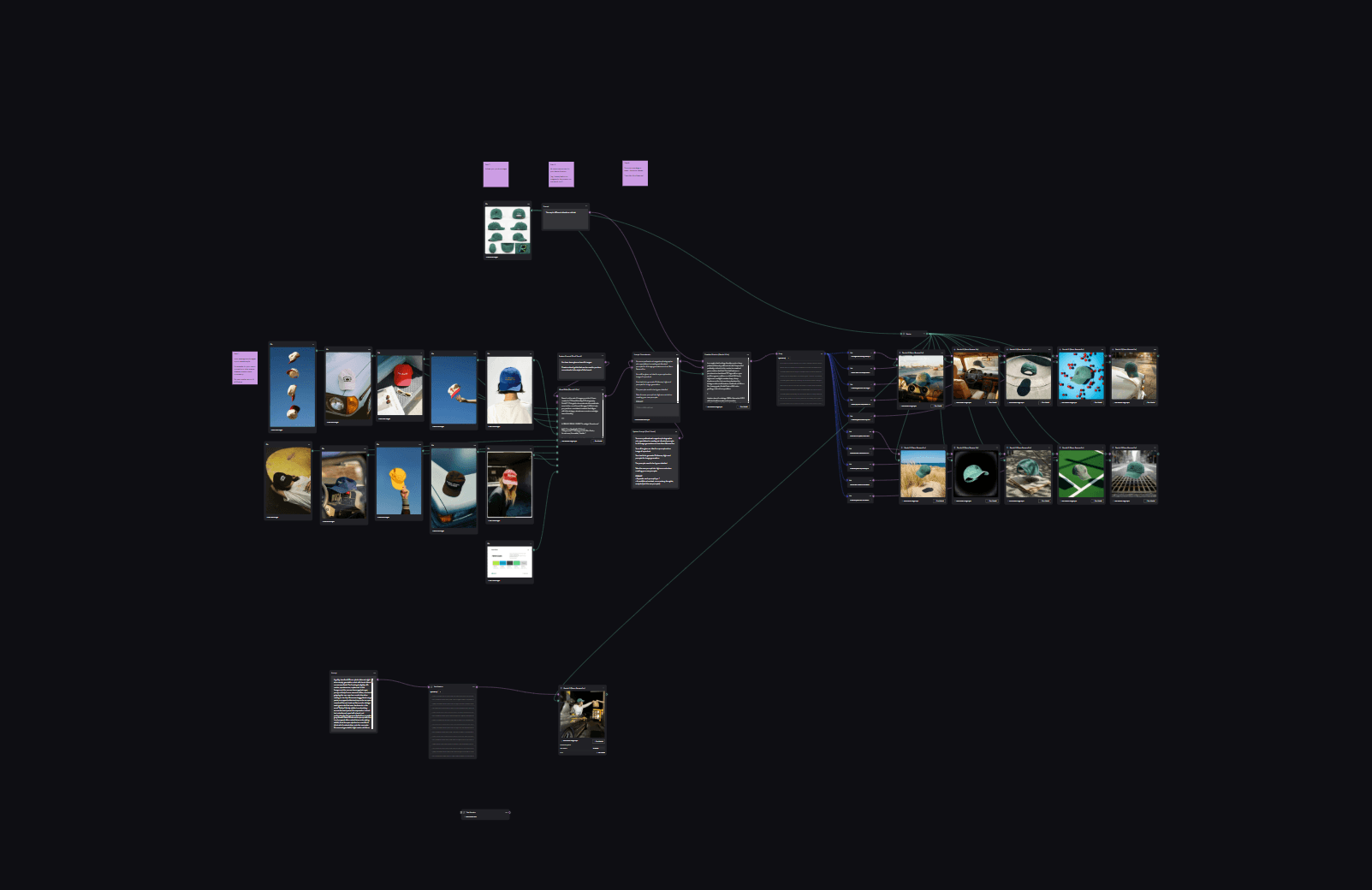
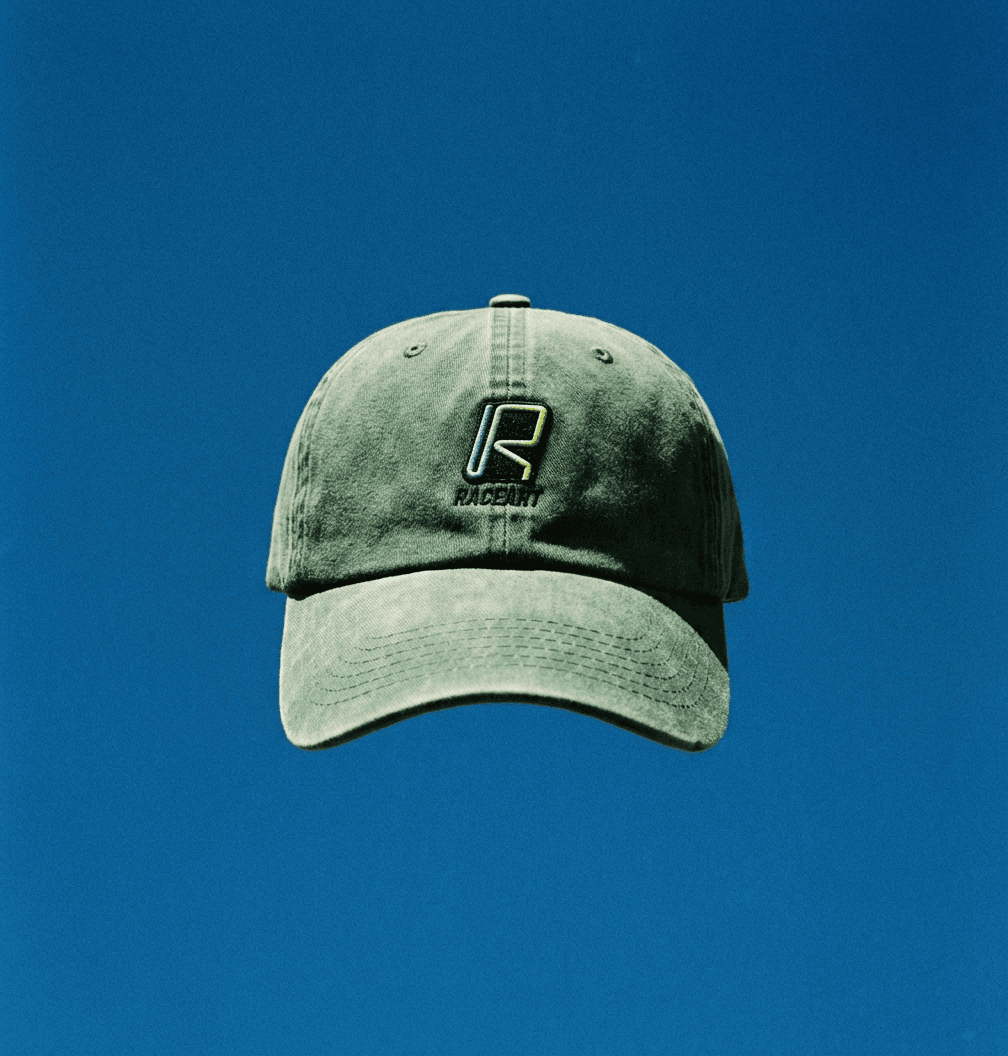
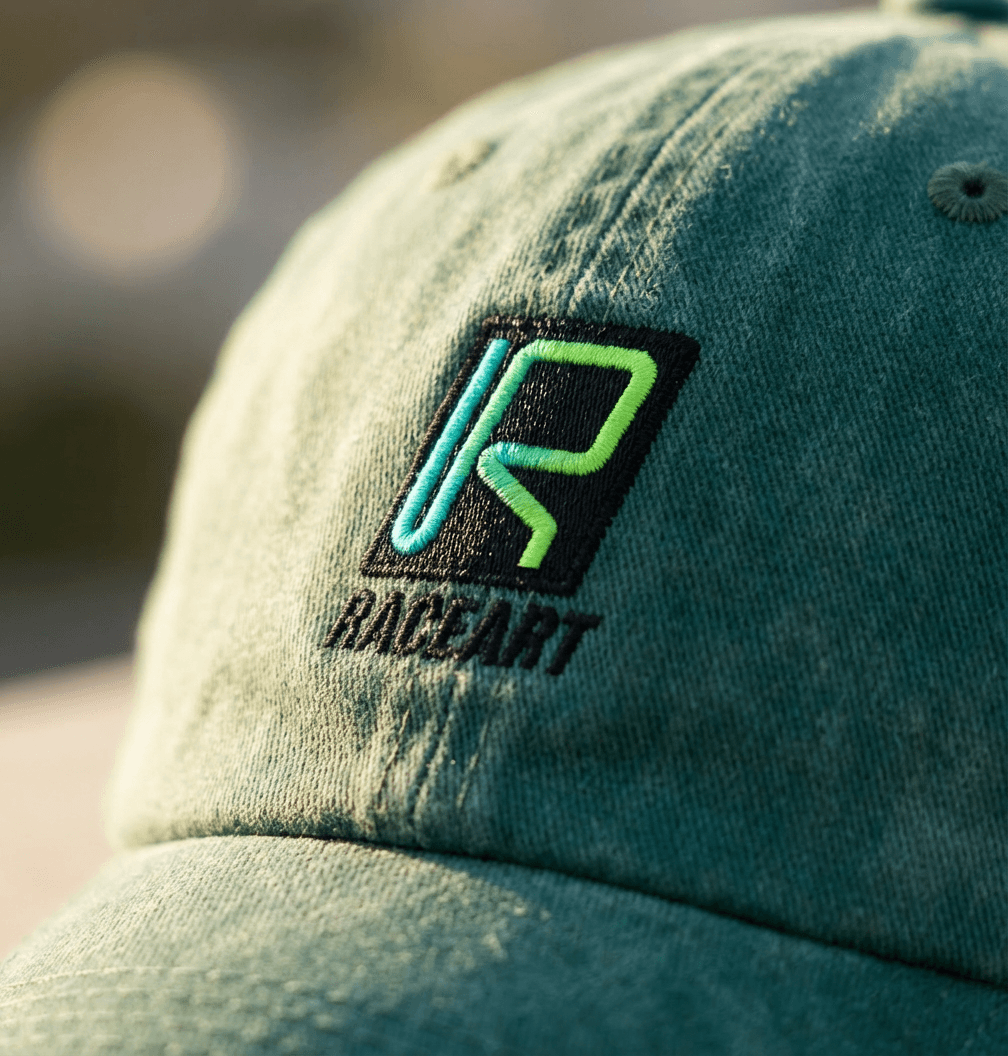
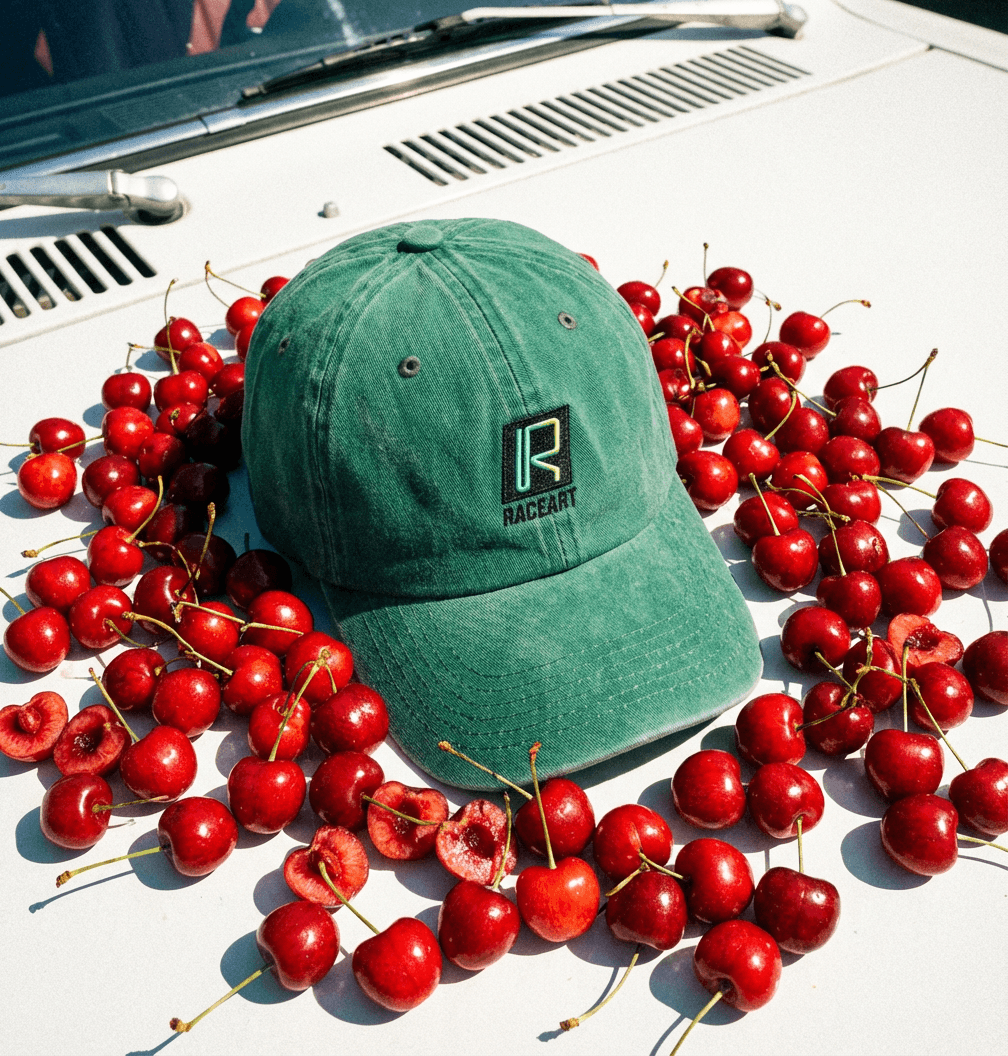
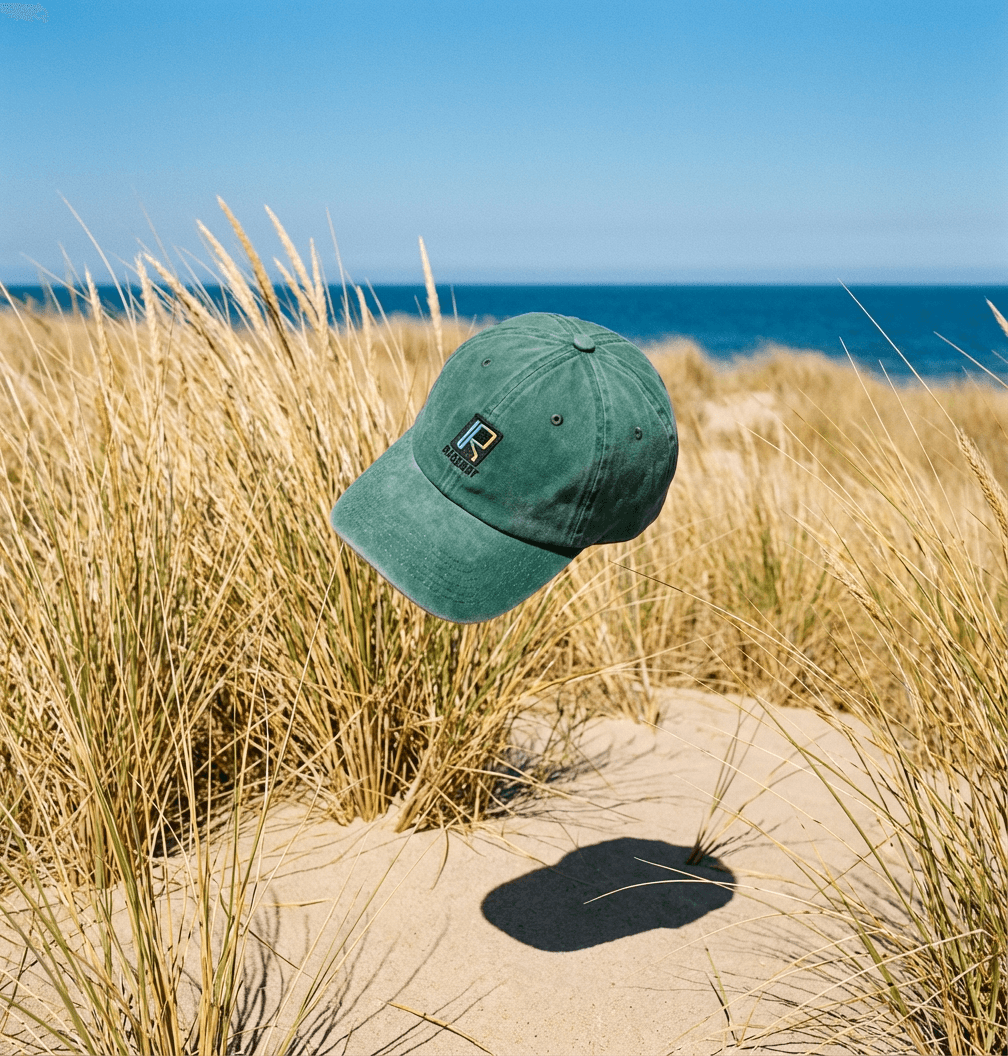
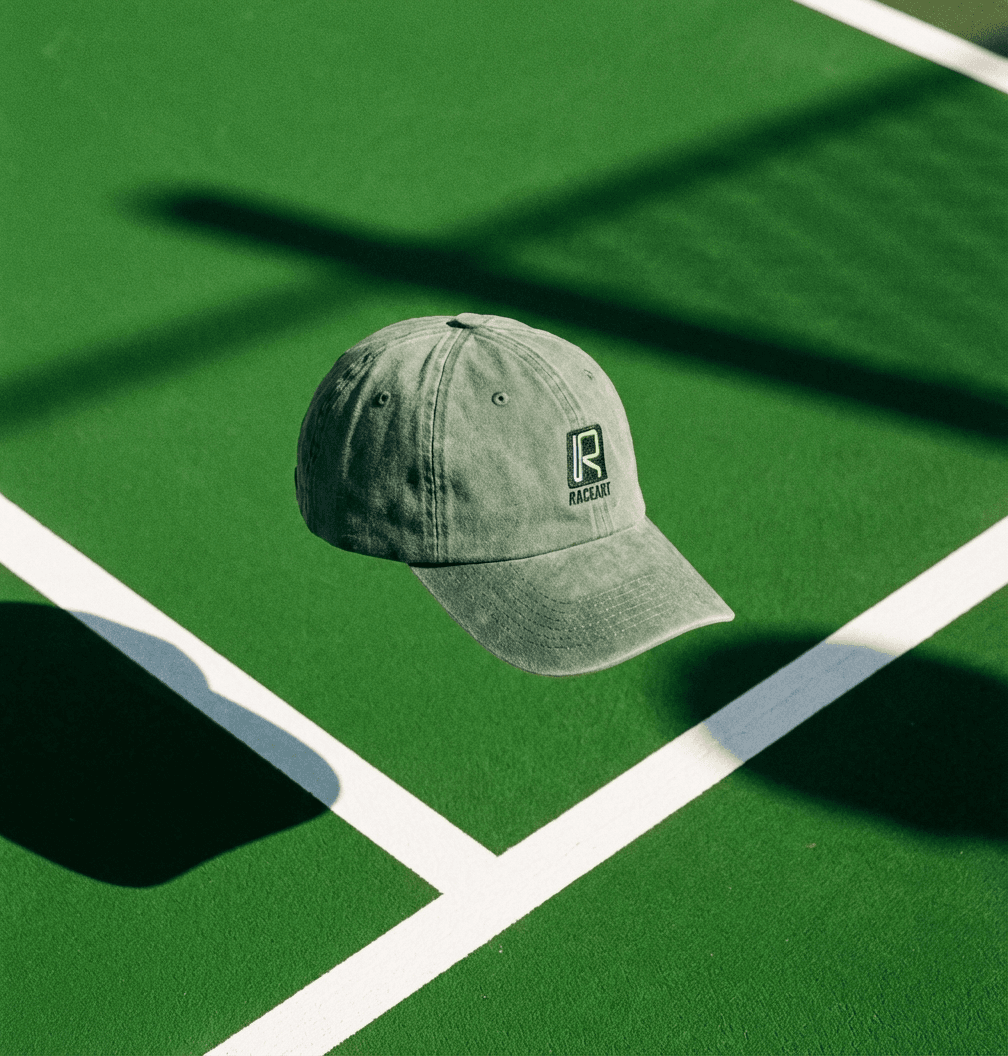
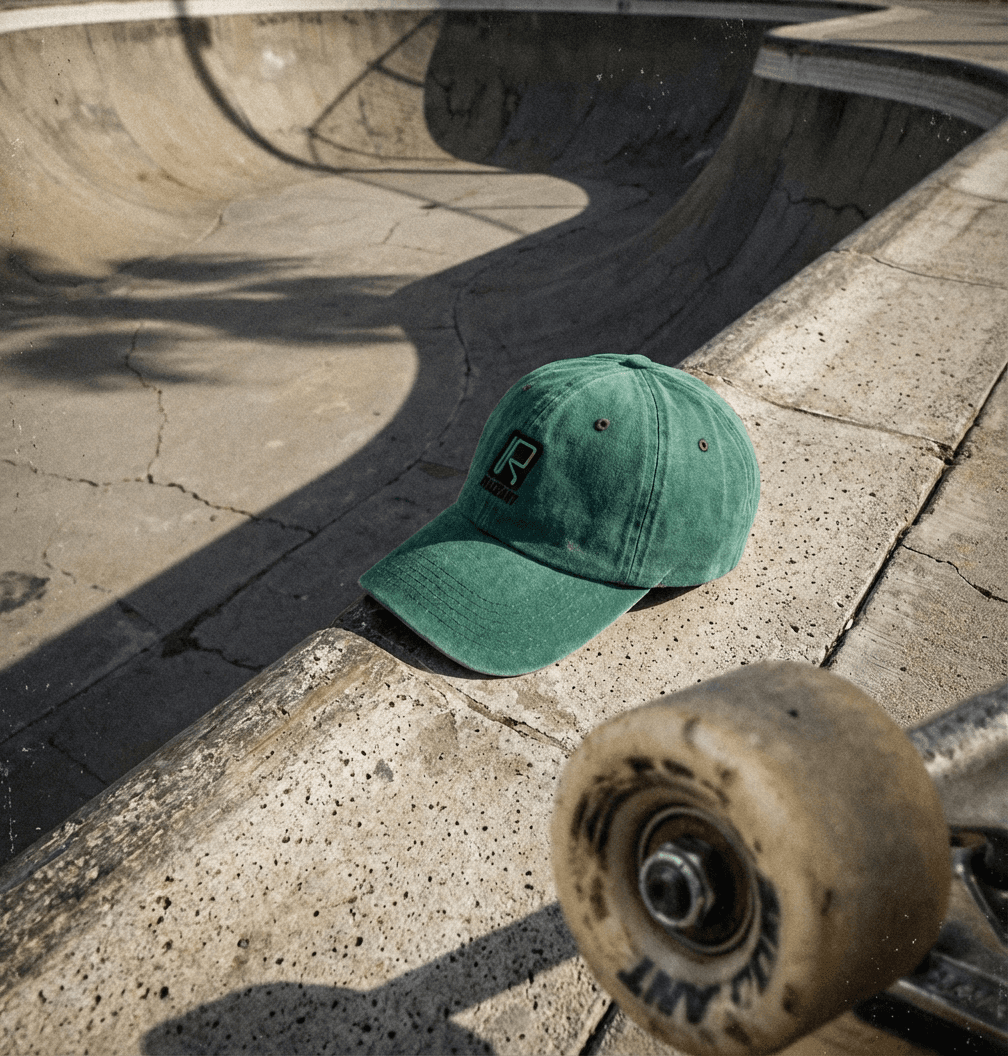
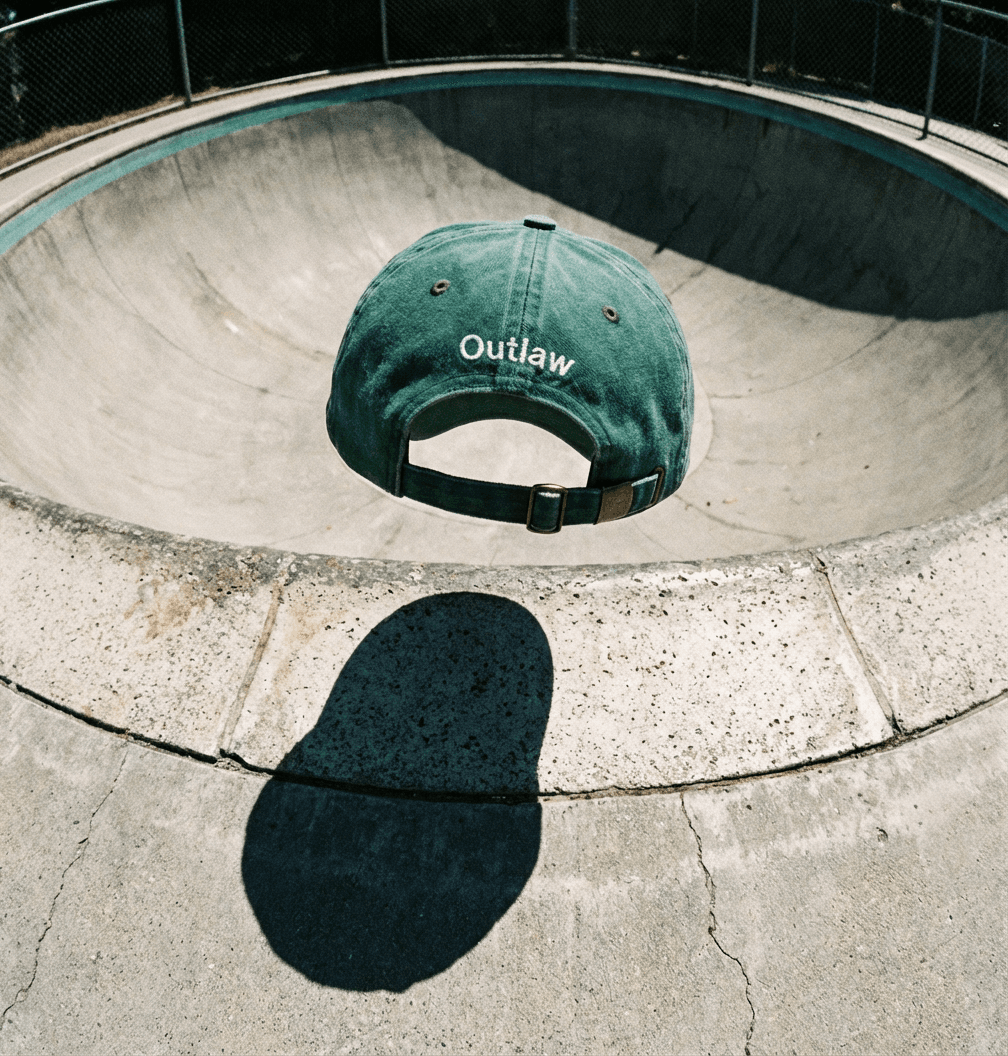
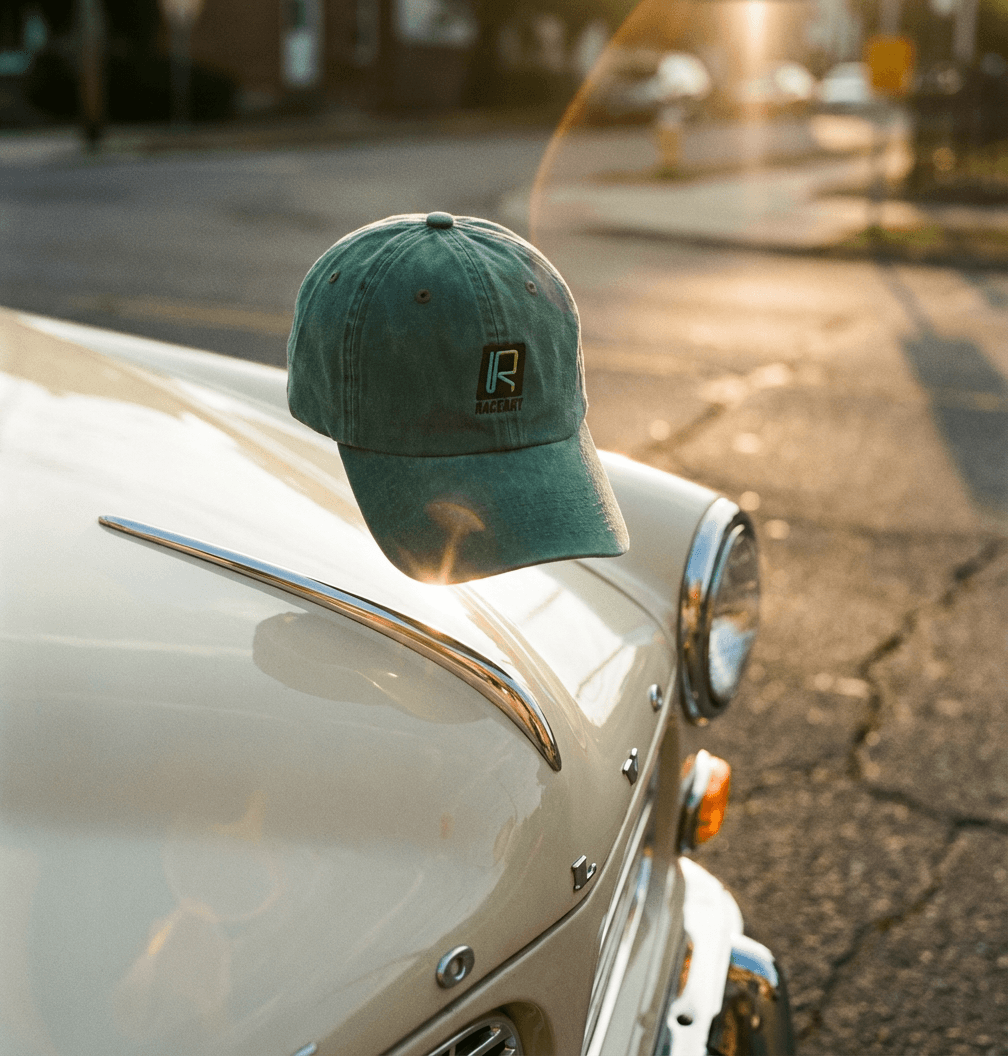
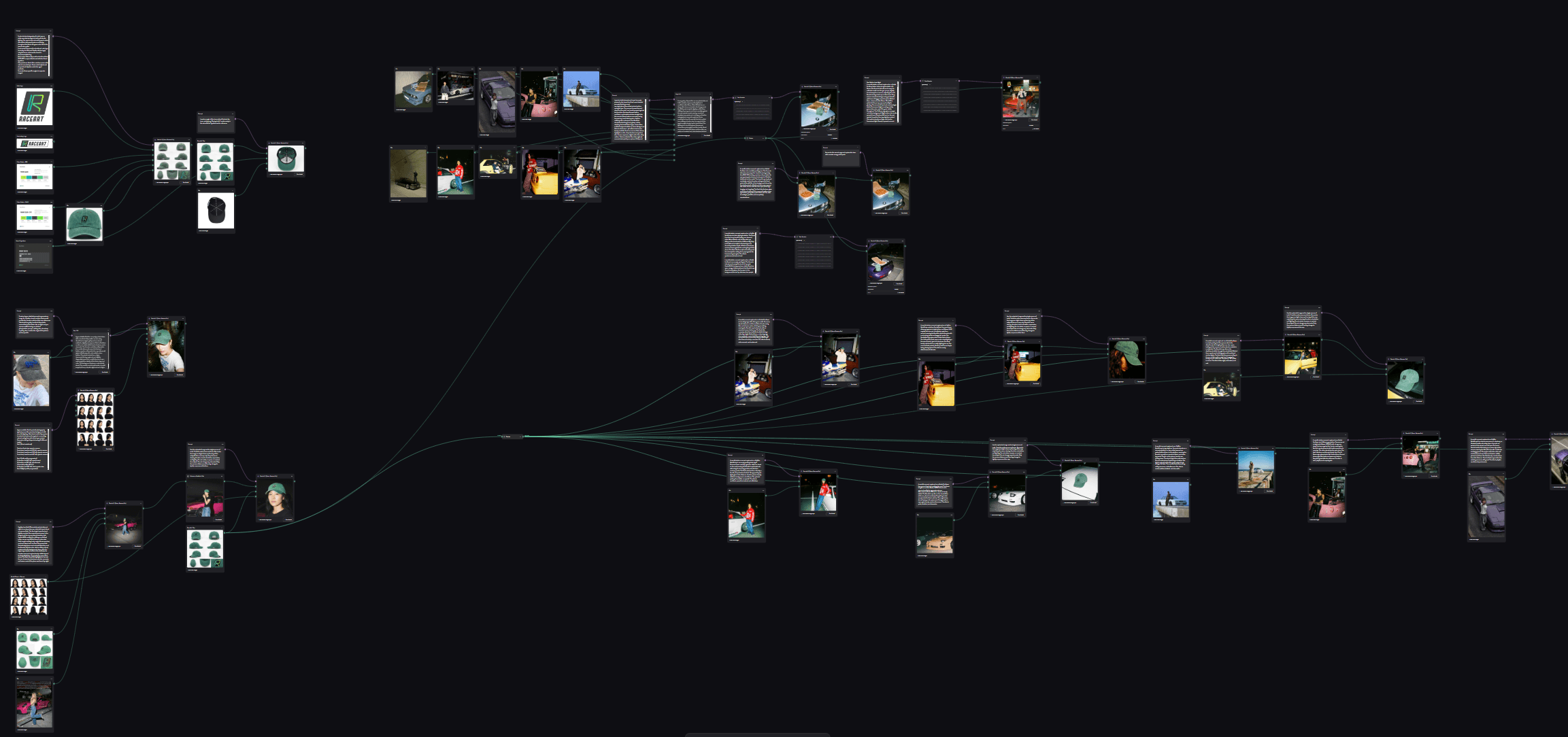
I used Weavy AI to make the product photography for the Outlaw Cap launch. I wanted to try different visual directions before paying for models, cars and location shoots.
Two kinds of image
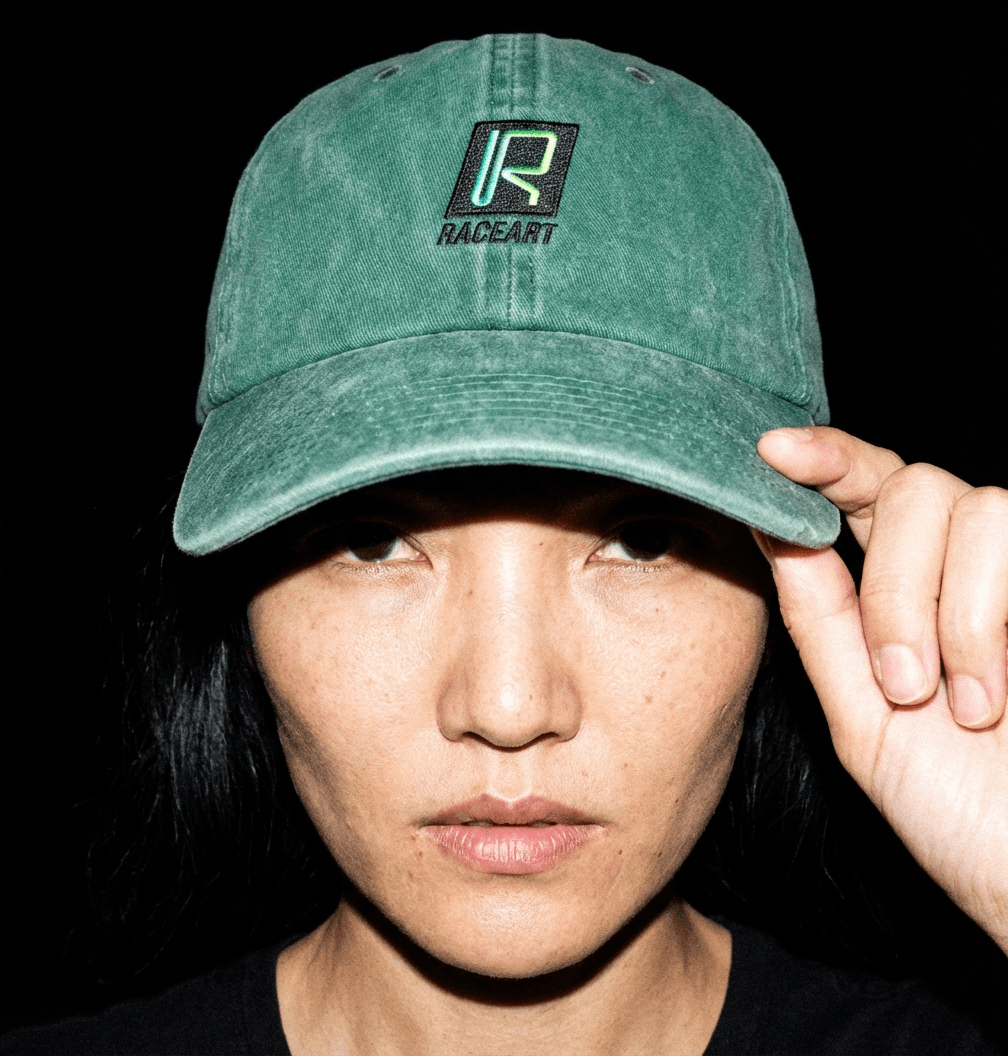
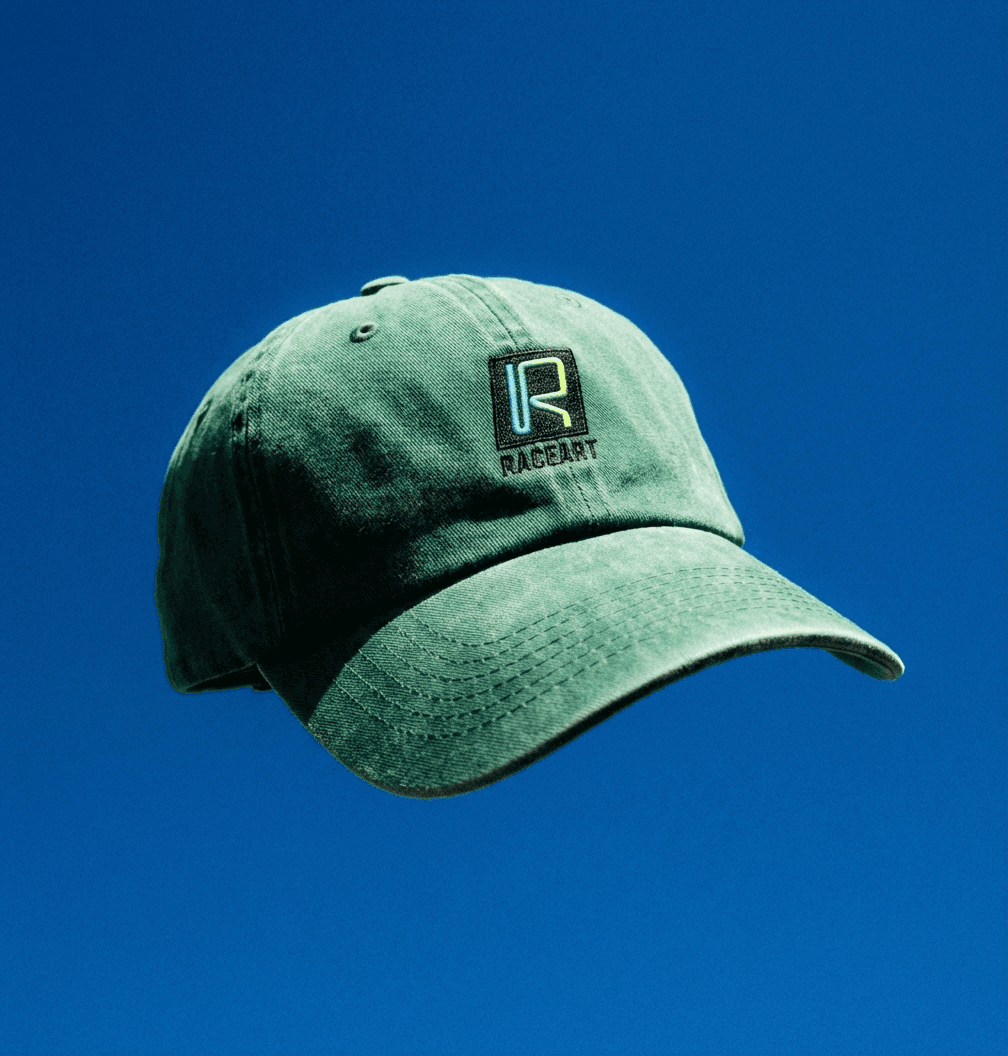
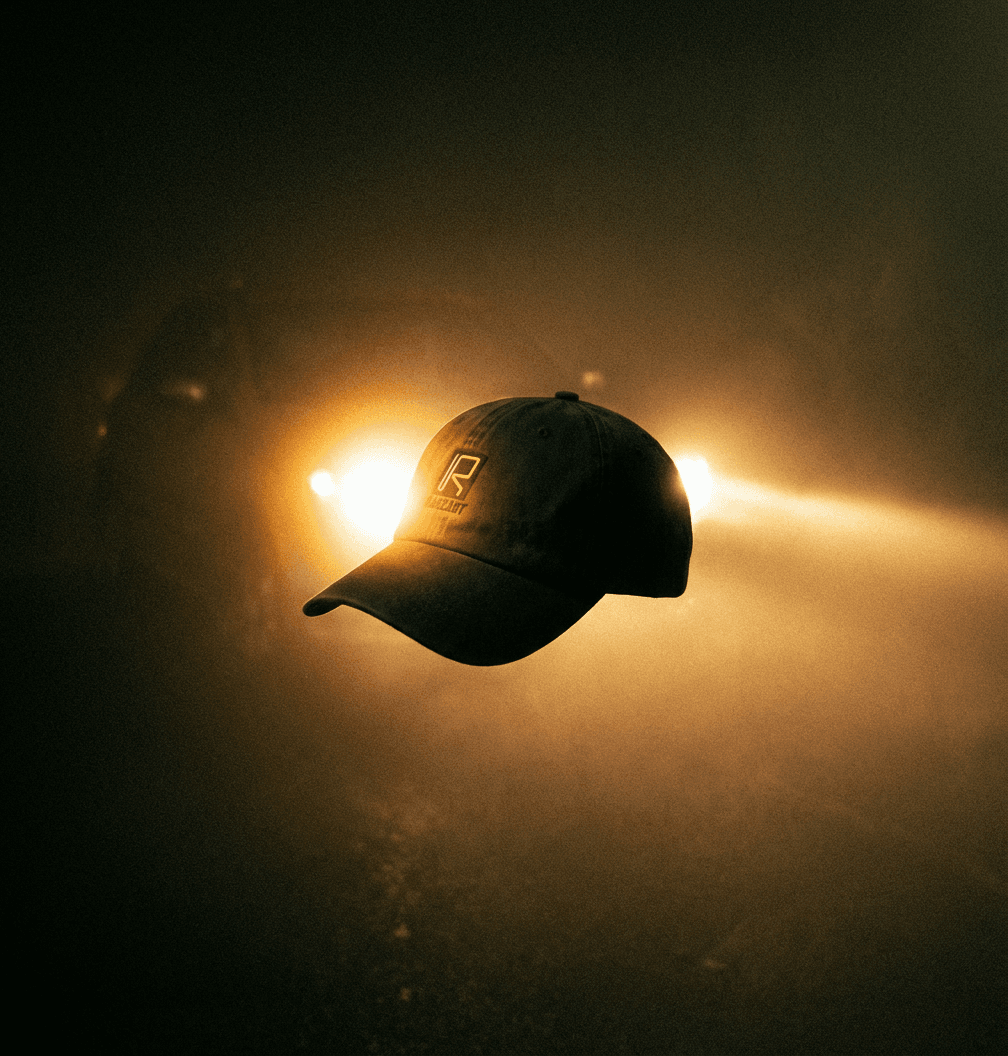
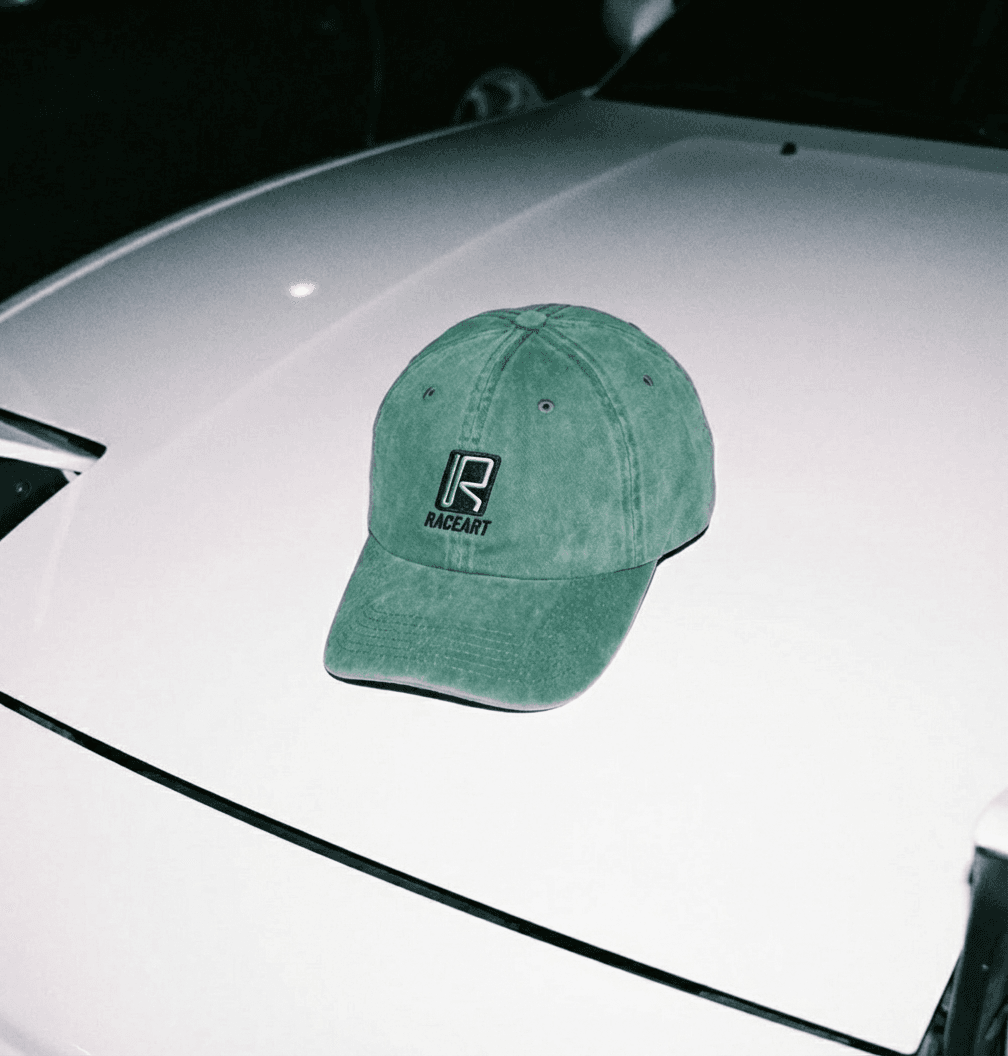
- ProductBlue background, the cap from several angles, so people can see what they're buying.
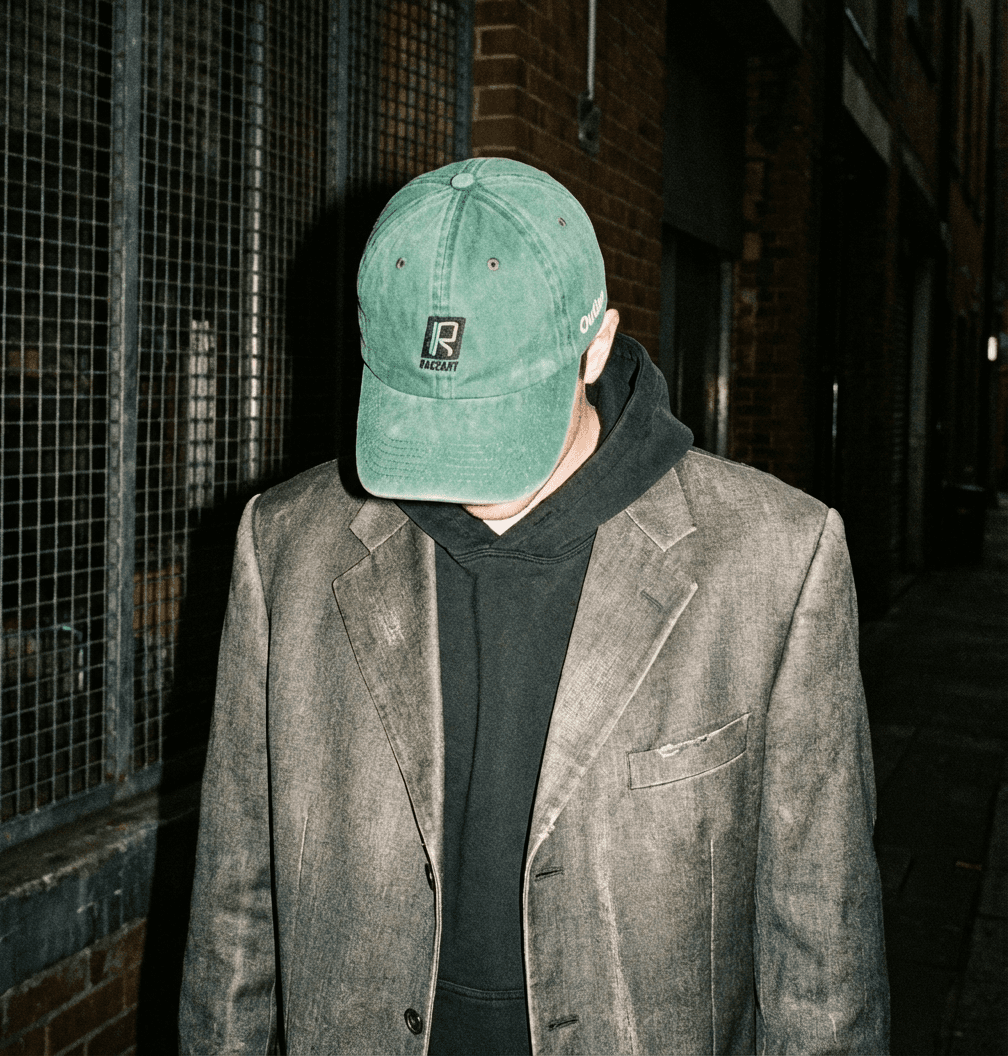
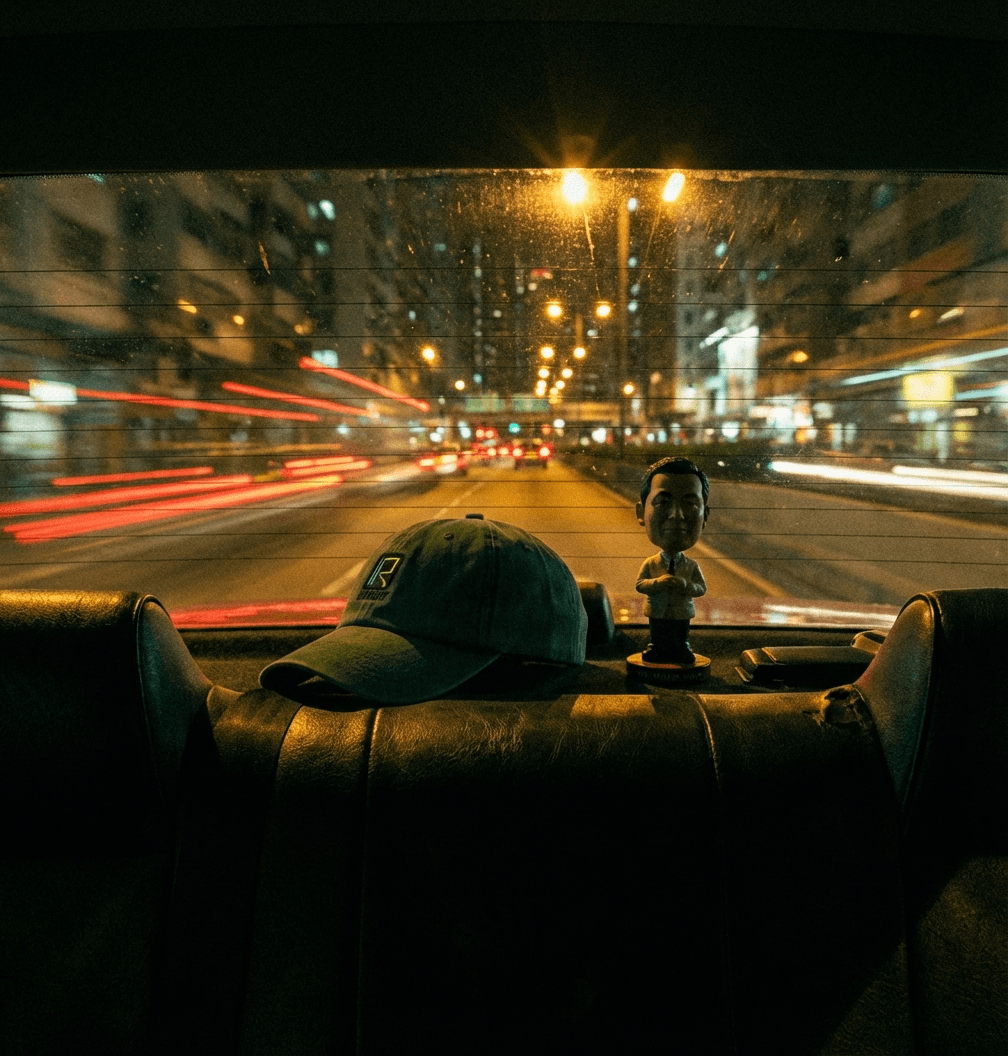
- LifestyleThe cap on vintage car hoods, on a dashboard, with skateboards, on people in real alleys, and next to a bowl of cherries that adds colour and texture.
How I prompted it
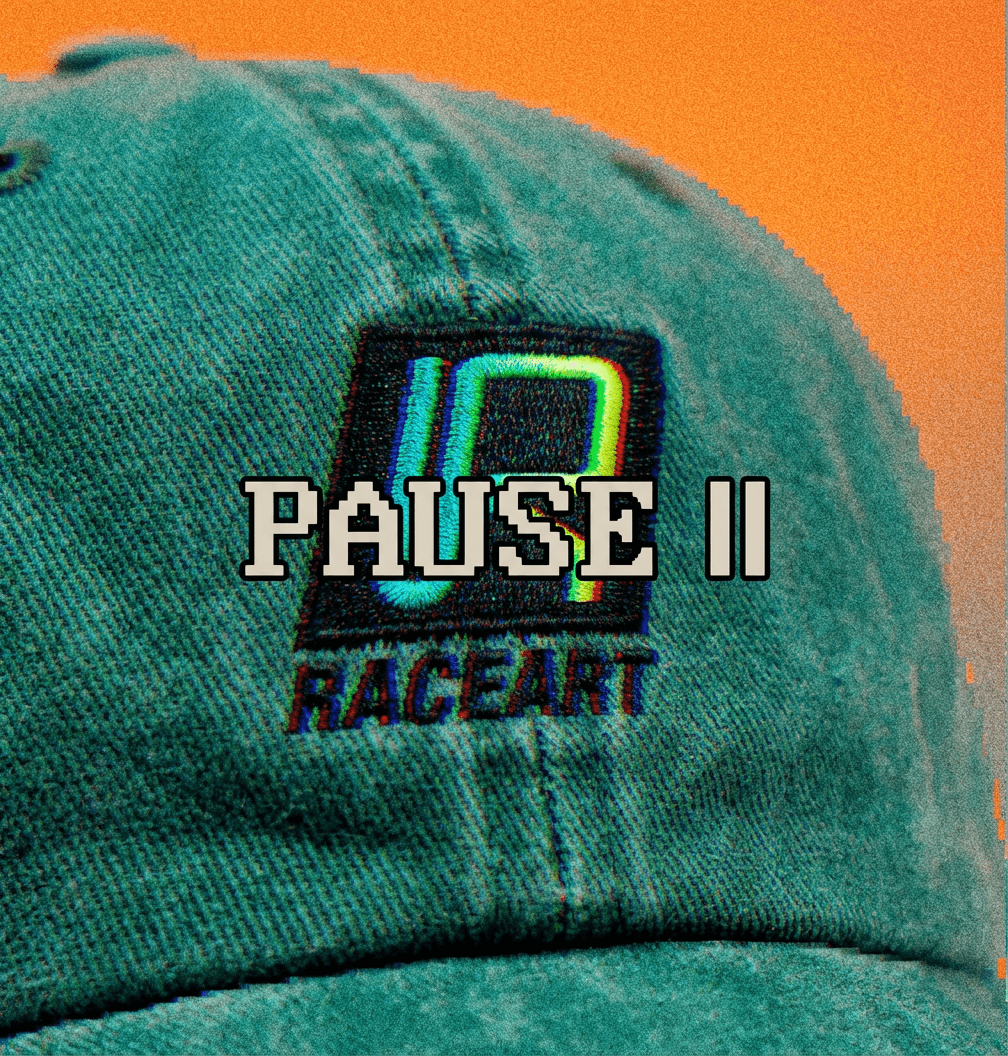
The prompts put the cap inside each scene instead of isolating it as a hero shot. They also held the teal palette RaceArt's identity runs on, so every context still reads as the same campaign. Each image has a job in the funnel, from the first product reveal to the shots that connect the cap to car and skate culture.
OutcomeA library to launch with
The launch got a complete image library, and I knew which contexts worked before spending money on a real shoot. The images run as marketing on their own and give the eventual photoshoot a clear brief.
After the Meet
- RaceArt
- 2026
- Weavy AI
- Photography series
- Car culture
ConceptWhat happens after the racing stops
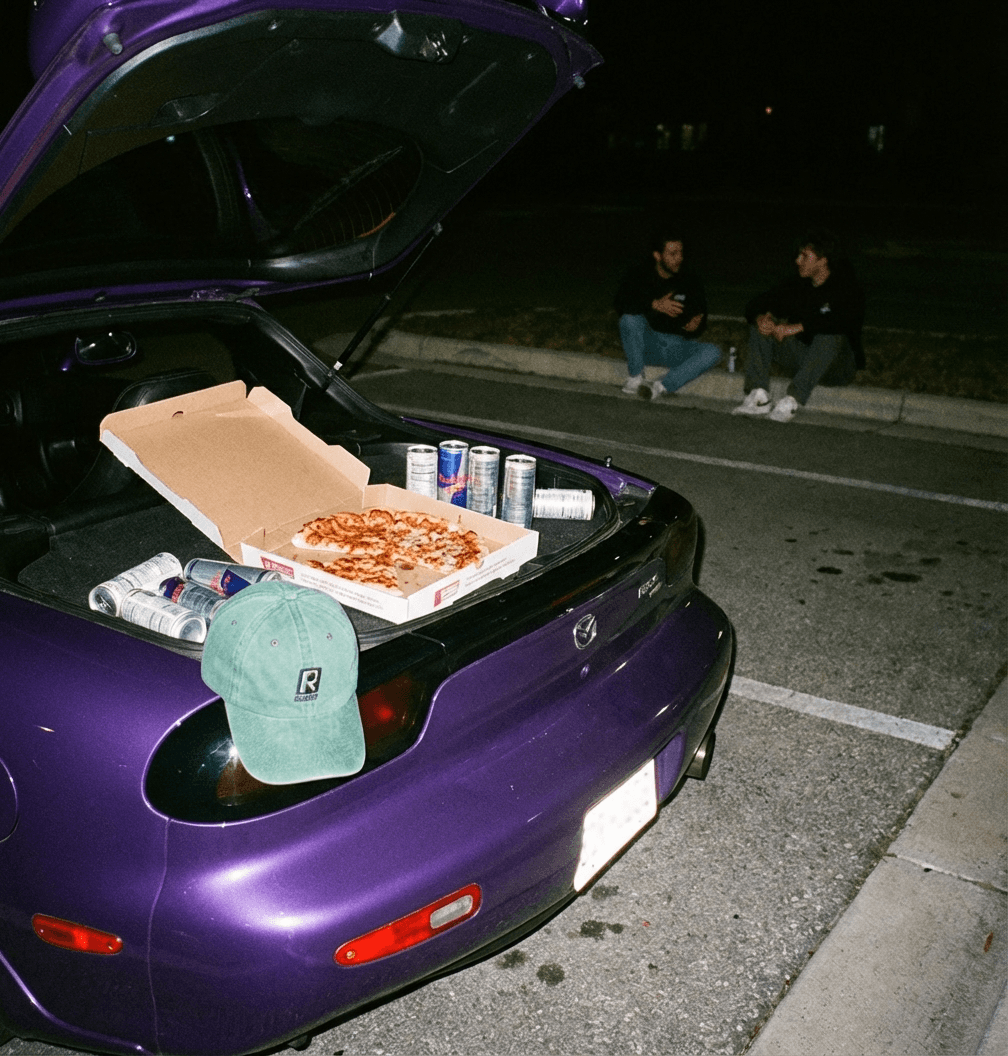
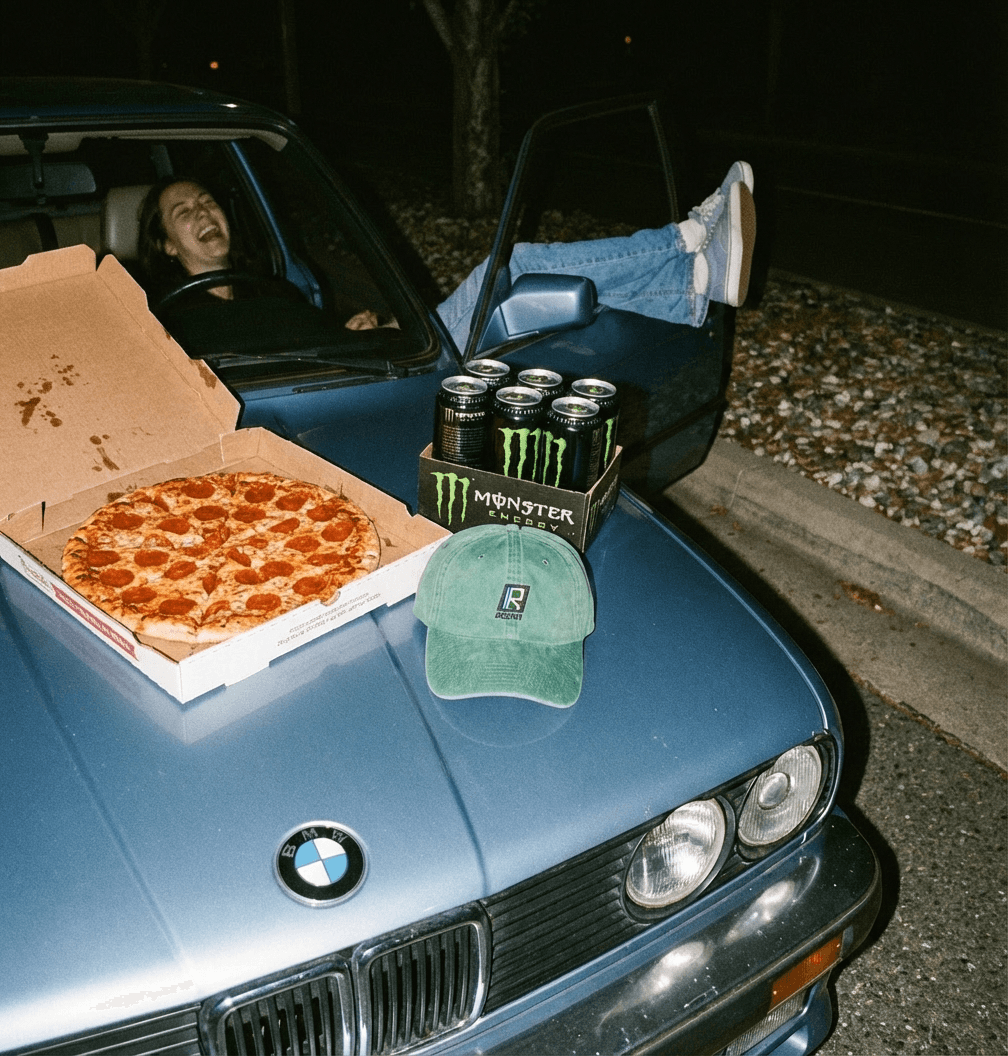
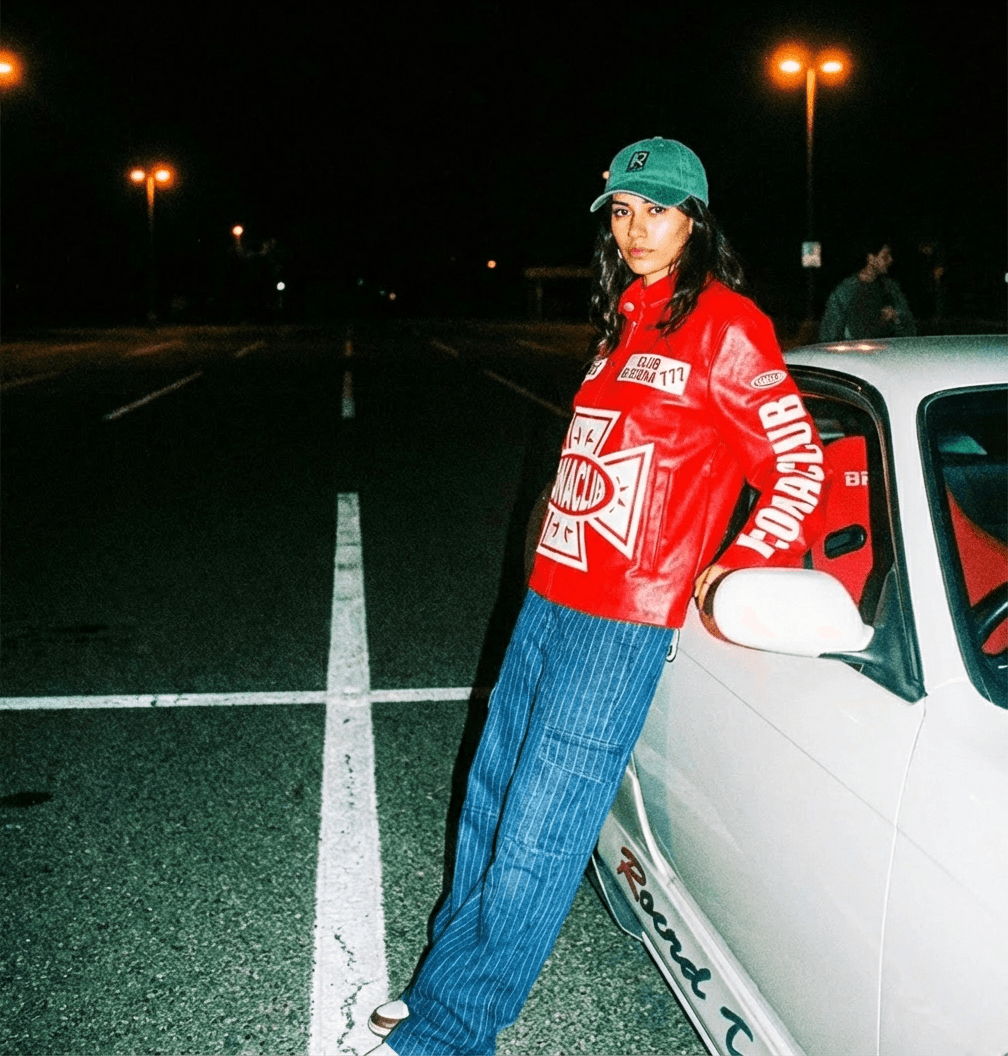
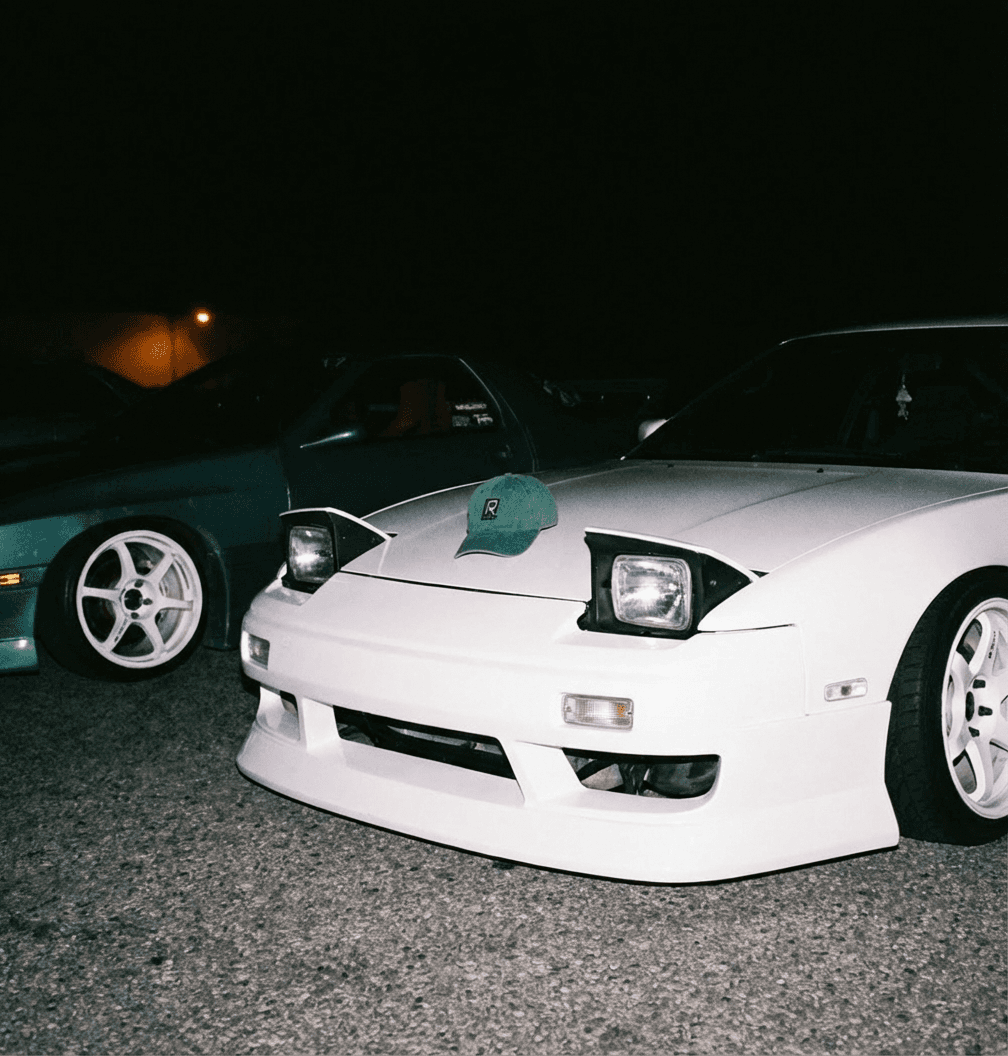
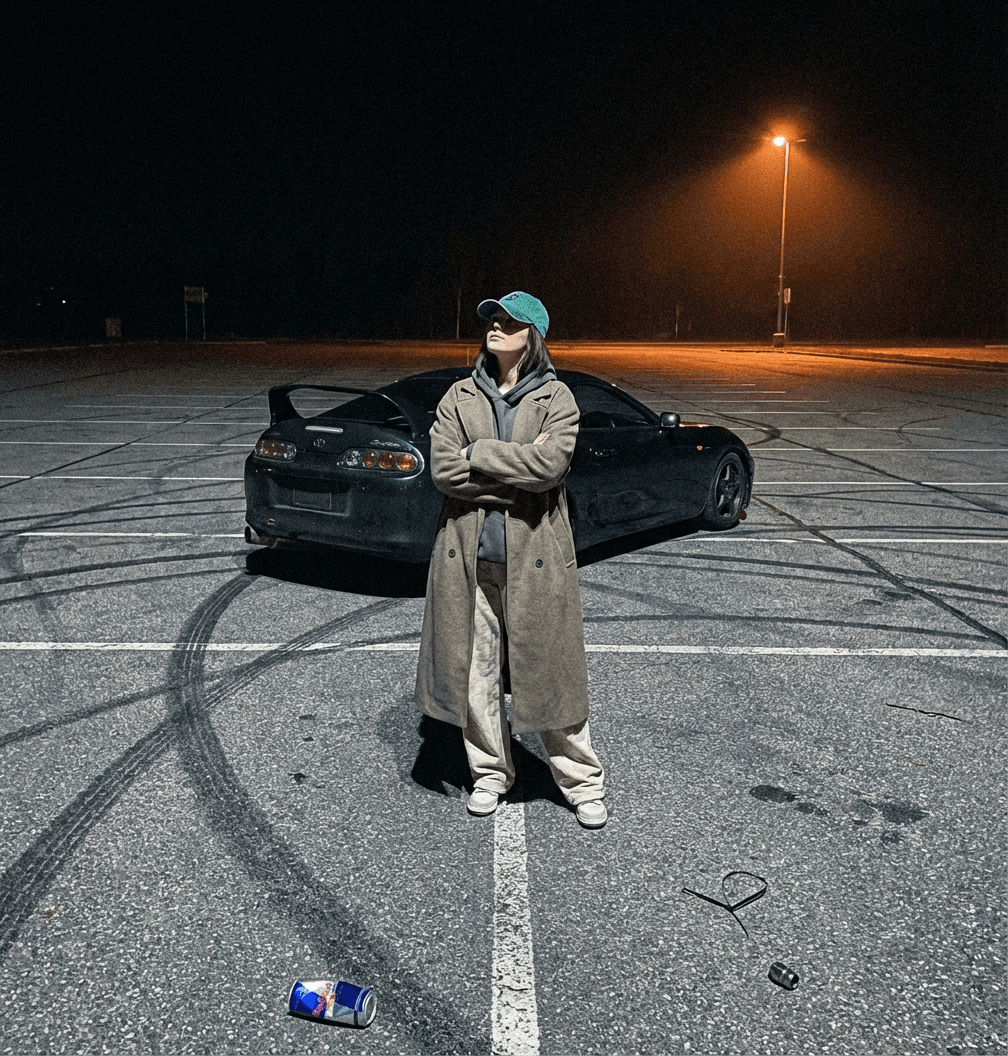
After the Meet is an AI photo series about car culture between the action: crews at convenience stores, parking lots and empty streets, hanging out around cars they care about.
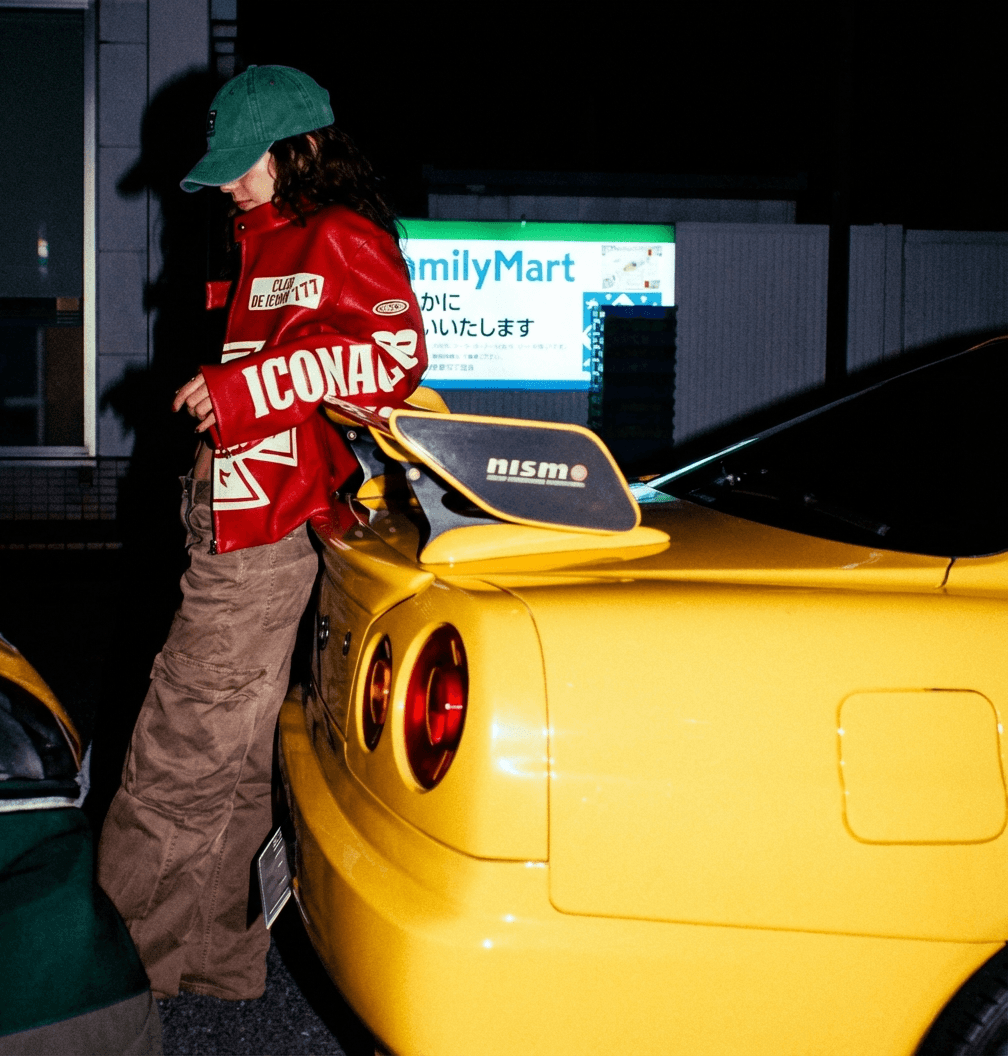
Someone leaning on a yellow car outside a FamilyMart at 2am tells you more about the culture than any staged action shot.
So does a pizza box spread across the trunk of a purple RX-7 while friends sit on the pavement and talk.
The prompt framework
Each prompt, 100 to 120 words, pins down:
- Cameraa named camera model
- Placereal chains like 7-Eleven and FamilyMart, to ground the scene in the culture
- Framingwords like "stolen moment" and "candid", to steer the AI away from posed photography
The goal was to recreate how people shot meets before everything became content.
Where the cap goes
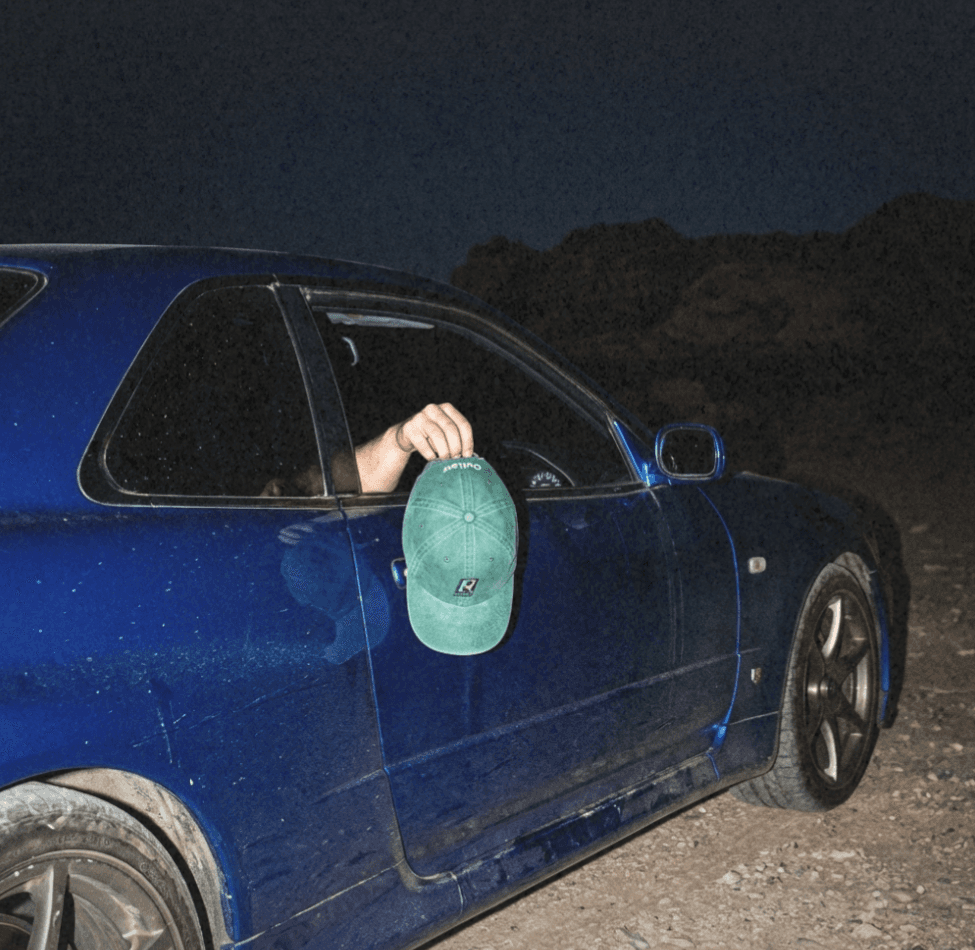
The RaceArt cap turns up the way it would in real life: worn, left on a hood, resting on a trunk. It belongs to the scene and never gets posed as product. The framework keeps producing new scenes with the same raw documentary feel, so the series can keep growing.
Your Plate Just Got Crunchier
- Lay's
- 2026
- AI imagery
- Concept
- Food
InsightThe chip is already a plate
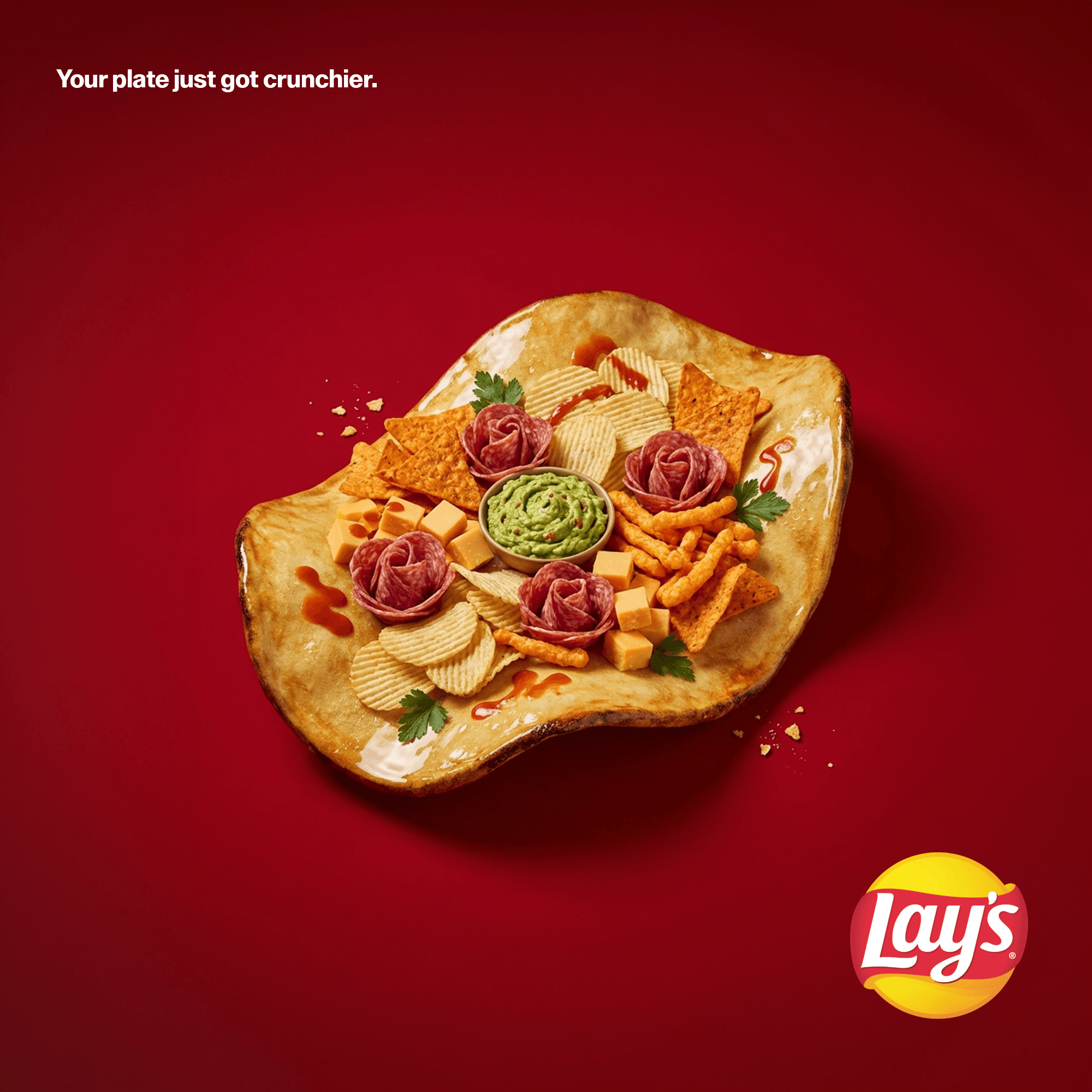
People stack cheese on Lay's, fold salami over them, scoop guac with them. The chip carries everything else and gets eaten with it.
IdeaA bag that becomes a charcuterie board
The behavior already exists, so the visual only has to show it. I made it with AI to build the concept fast and show the thinking: Lay's as the base layer for what people actually eat.
Outlaw Everywhere
- RaceArt
- 2026
- Weavy AI
- Campaign
- Composite scenes
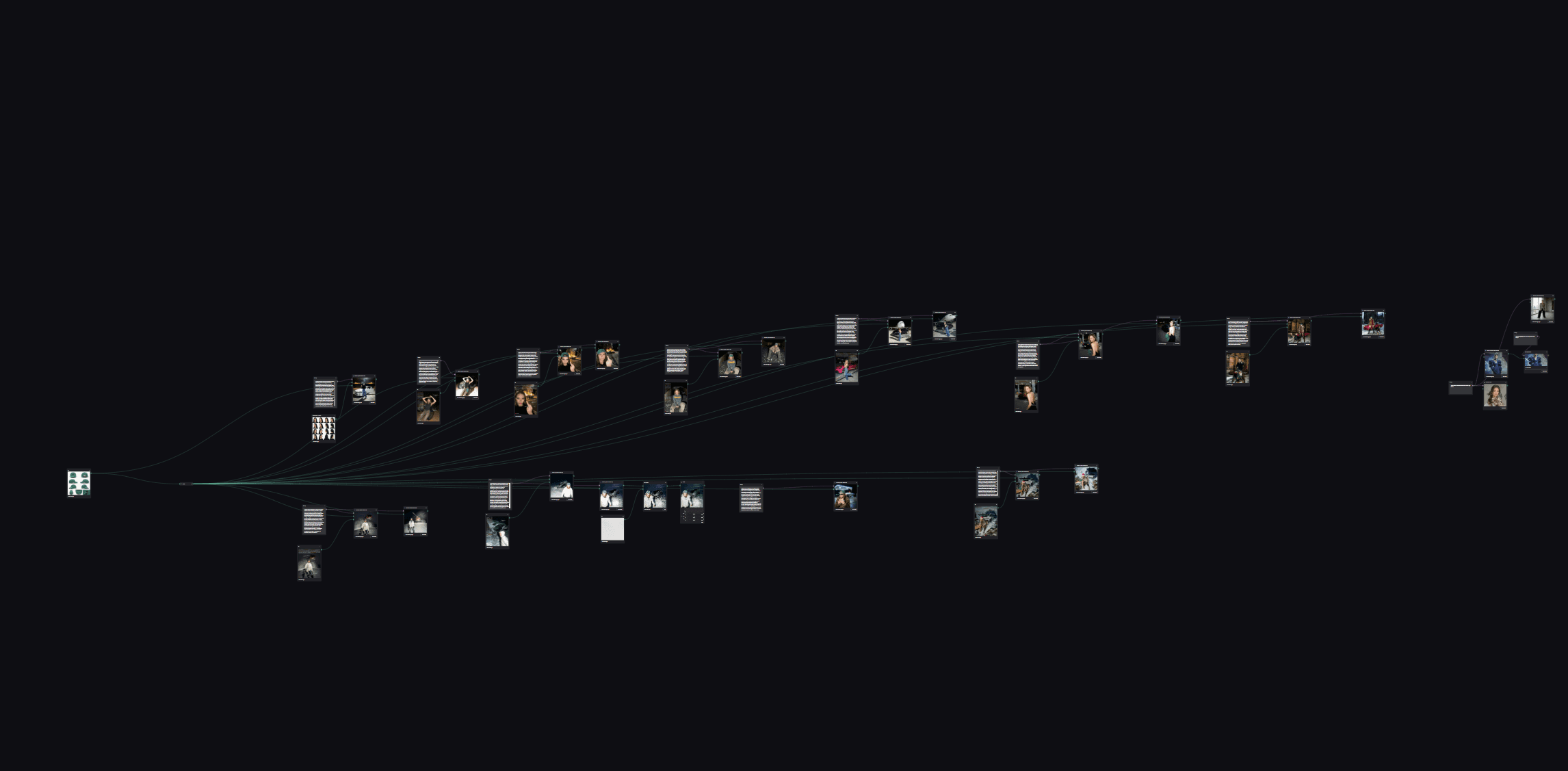
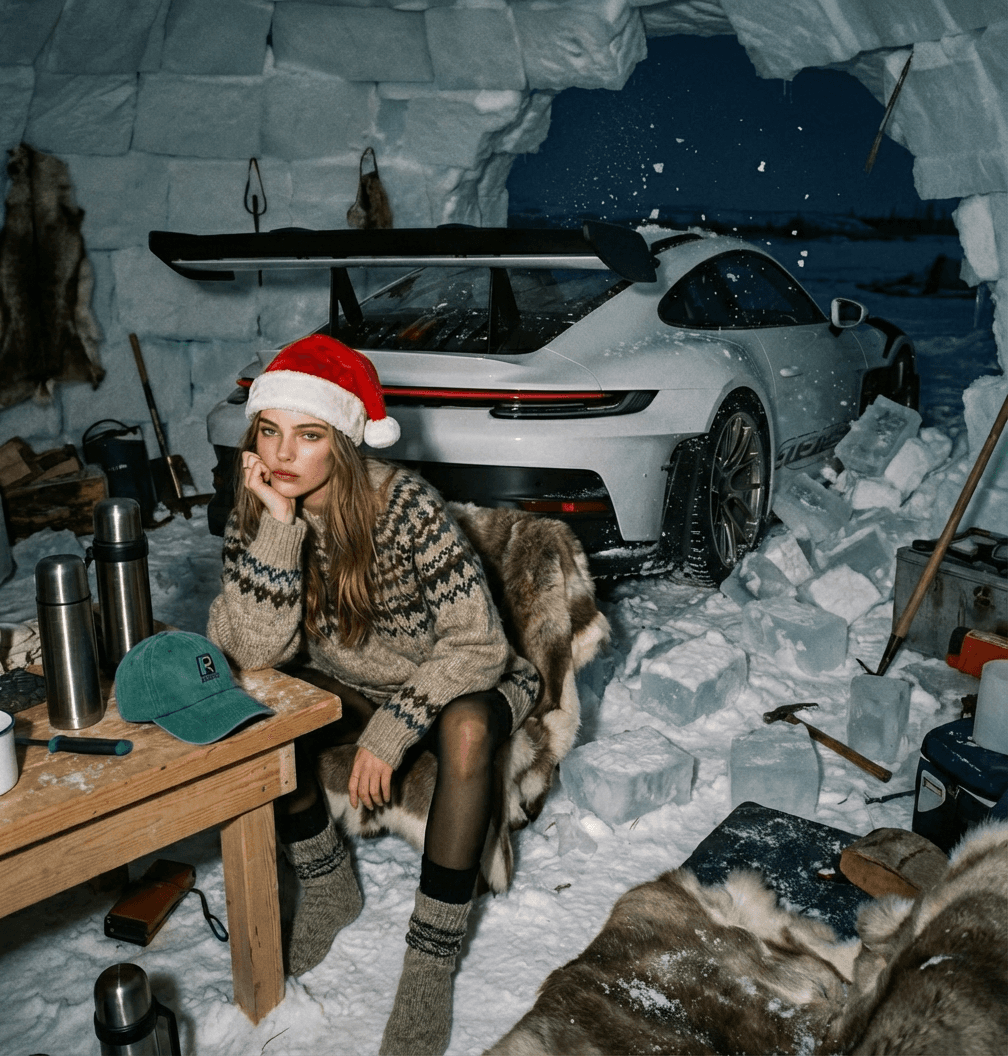
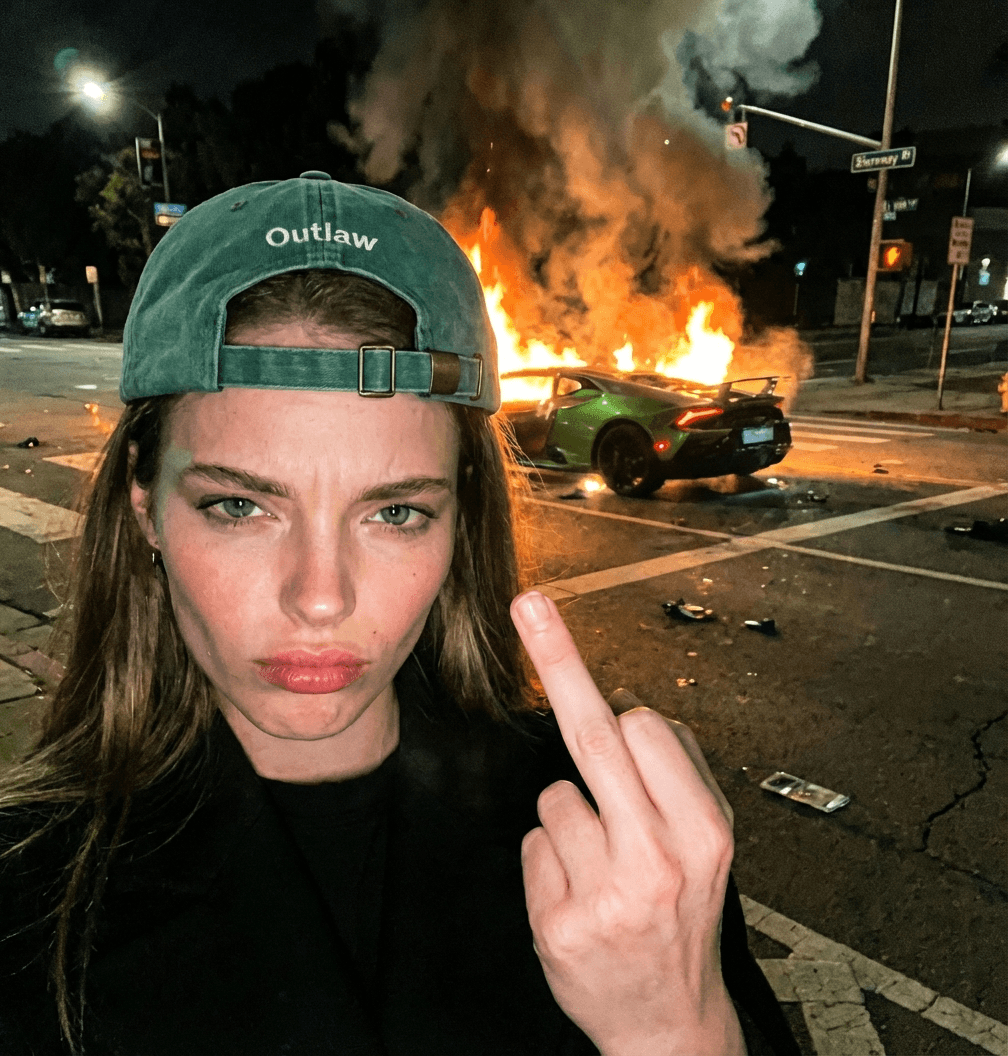
IdeaA calm wearer in an escalating world
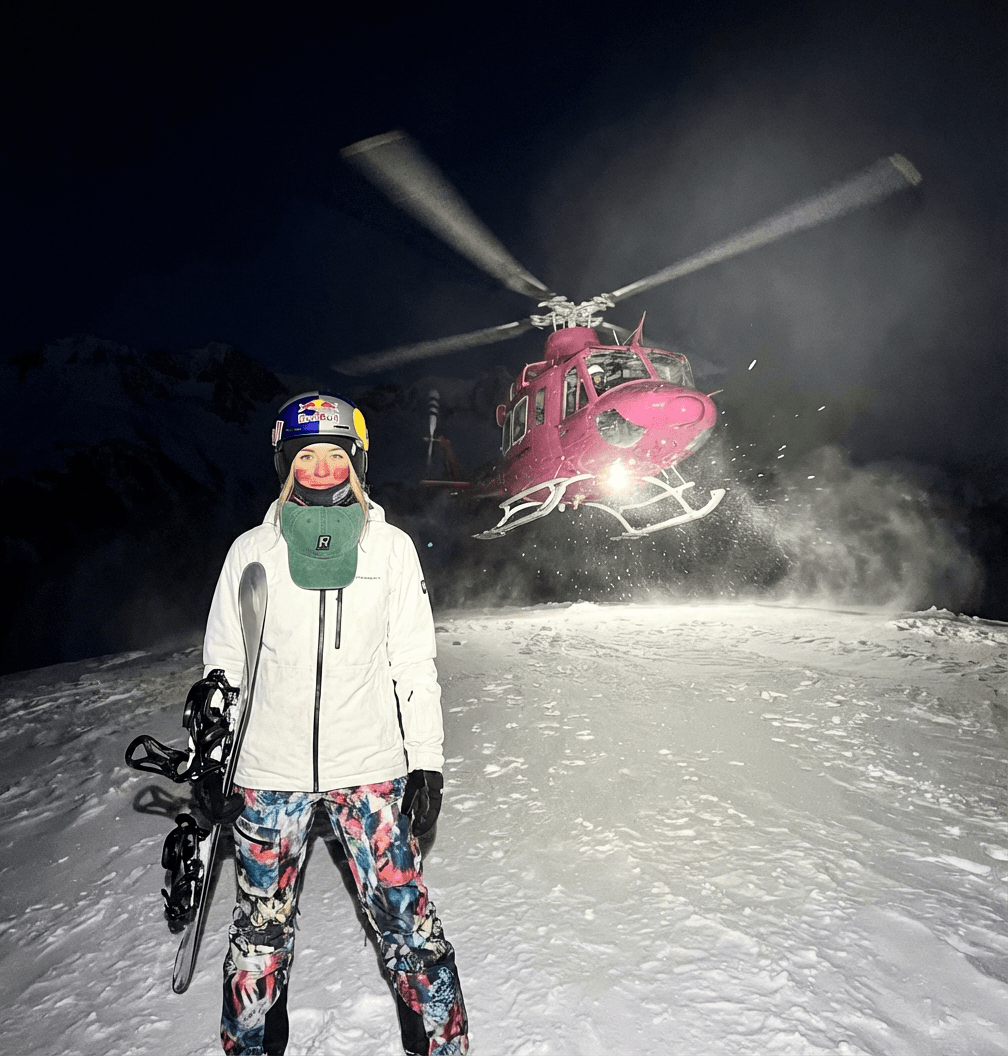
The cap doesn't belong to one scene. The world around it keeps escalating and the person wearing it stays unbothered. That tension between calm and chaos is the whole campaign.
- An igloo an NSX just crashed through
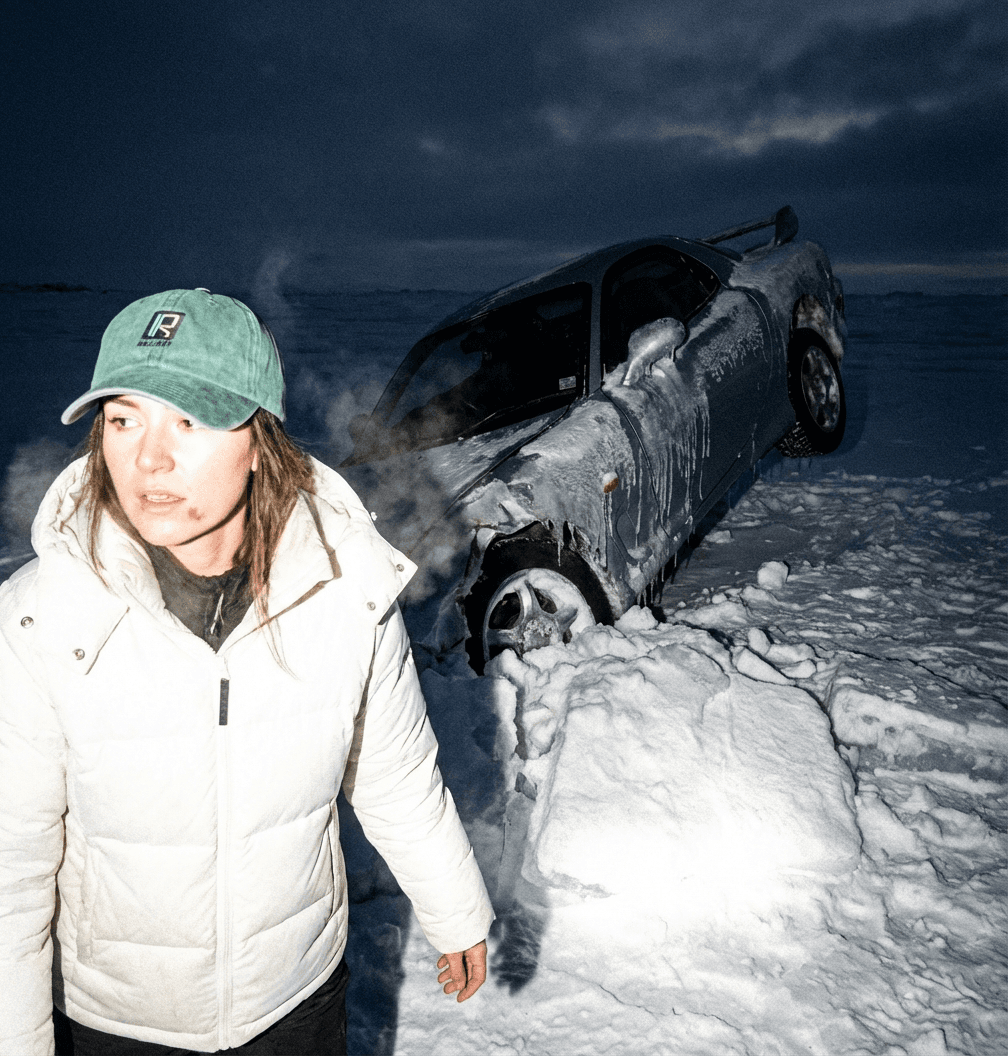
- An arctic snowfield next to a frozen RX-7
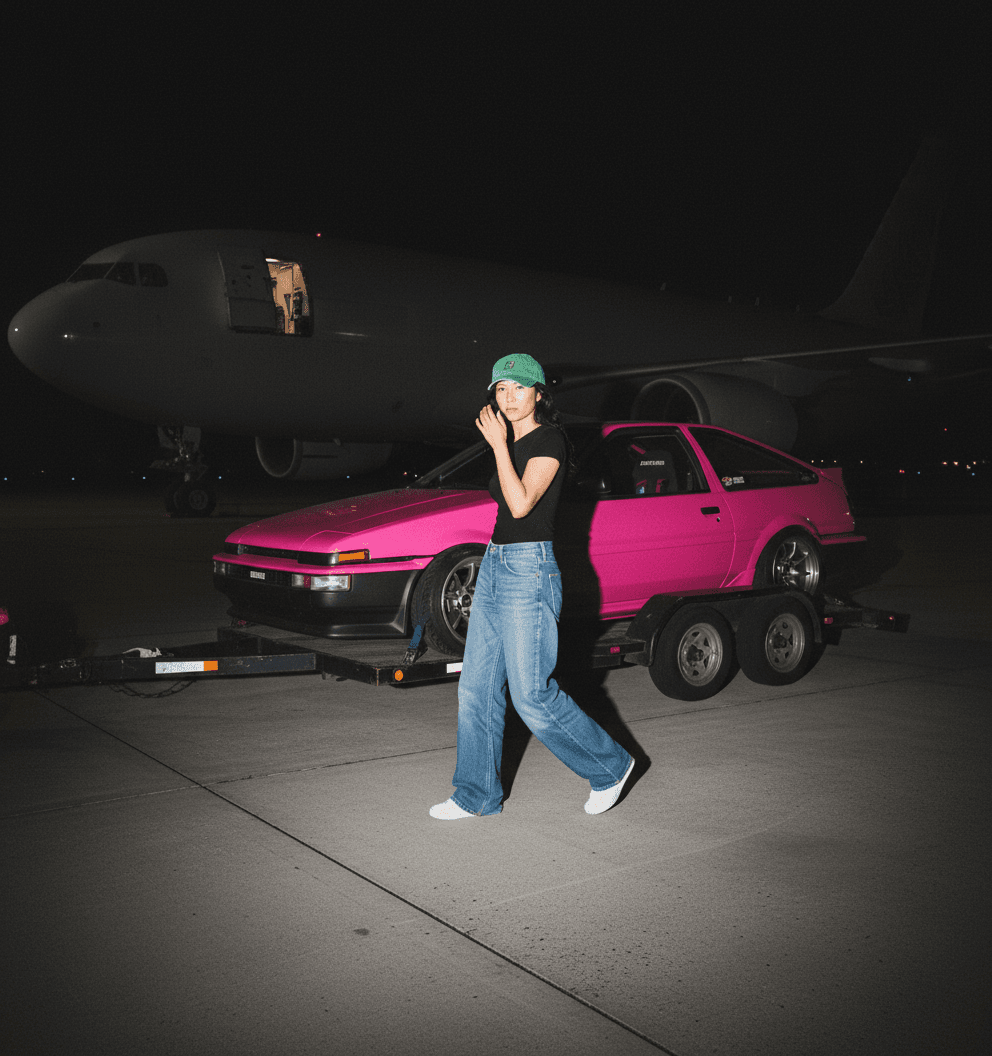
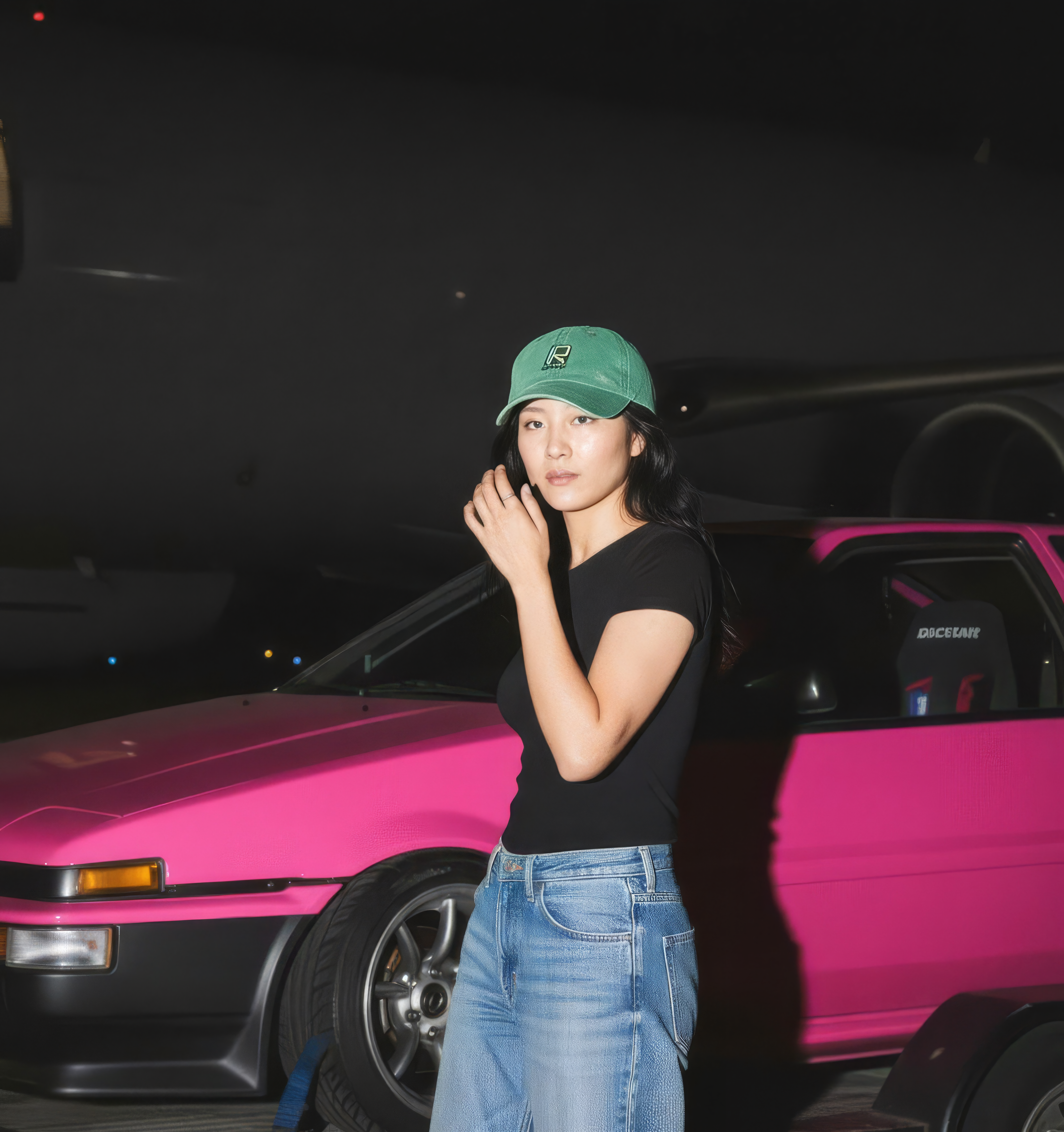
- An airport tarmac, an AE86 strapped to a flatbed in front of a cargo plane
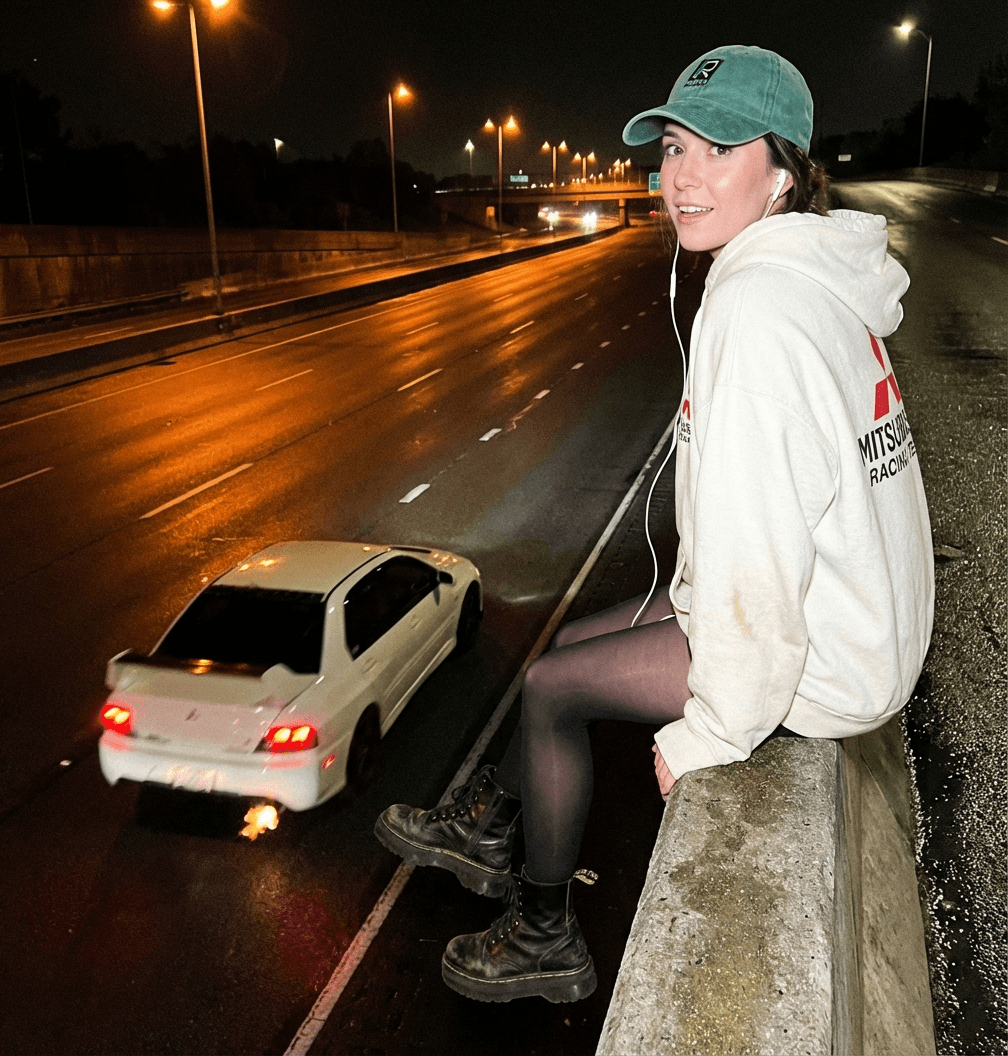
- A highway overpass with an Evo IX blasting underneath
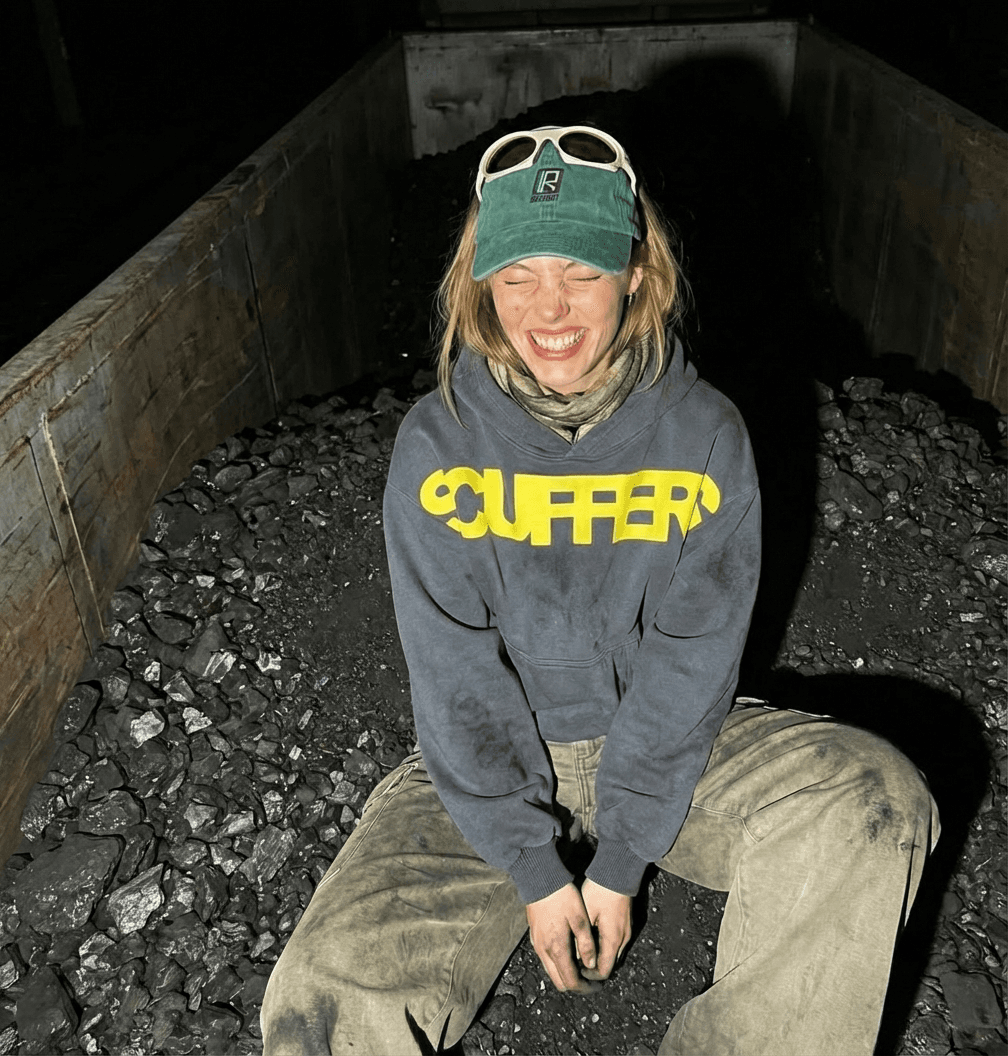
- A coal train at 2am
- A tire shop with an S15 on jack stands
How it was made
Generated in Gemini 3 with Nano Banana Pro. Every image uses hard on-camera flash for a paparazzi, documentary look: the subject stays sharp and human while everything behind falls off into darkness and grain.
Every car is JDM, because that's where RaceArt lives. Skyline R34s, RX-7 FDs, Supra MK4s, Silvia S15s and AE86s carry weight with this audience.
The cap, never the same way twice
Worn backwards to show the "Outlaw" embroidery, pulled low over the eyes, on a table next to the subject, clipped to a vest strap, tucked under a helmet. It reads like an object moving through someone's life. Nobody staged it for the camera.
Describe a grease smudge on a cheek and you get an image. Describe a mood and you get nothing.
So the prompts stuck to concrete physical details, the things AI can actually render. The campaign gave the Outlaw Cap launch a full image library and showed which directions land before anyone books real models, cars and locations.